Florida Water Star Program: Rebates for Builders
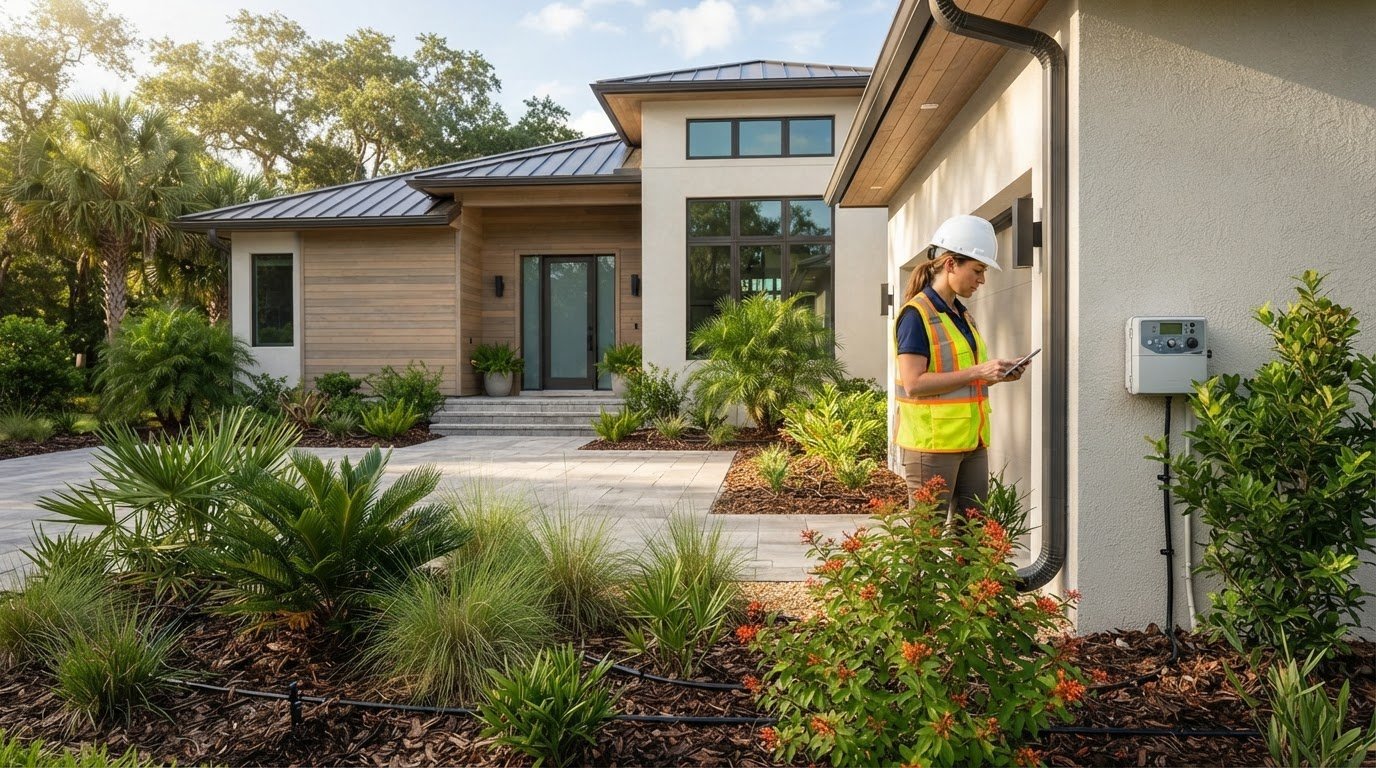
Could Florida Water Star certification qualify a project for a builder rebate, or does eligibility depend on where and what you build? For builders weighing the Florida Water Star program and available rebates for builders, certification is only part of the equation. Incentives can vary by project type, water-service territory, and participating program. An offer listed for one area or project may not apply to another.
That distinction matters because Florida Water Star addresses water efficiency across indoor fixtures and appliances, landscaping, and irrigation. Certification requirements also differ by project type. Those criteria can affect design choices, specifications, documentation, and construction coordination, so it pays to plan early.
This article explains the program’s scope, outlines reported incentive pathways, and shows what to verify before including a rebate in project assumptions. It also covers how project type and certification requirements shape the process, and how early documentation planning can help keep certification on track. For teams aligning water-efficiency goals with broader green-building standards, Ekocentric provides consulting for applicable certifications, including FGBC, LEED, NGBS, and ENERGY STAR.
Key Takeaways
Understand how Florida Water Star addresses indoor fixtures and appliances, landscape design, and irrigation across eligible project types.
Plan certification early by coordinating criteria, design decisions, documentation, inspection, and final review.
Use the Florida Water Star program and available rebates for builders as a starting point, then verify each incentive’s current terms and funding status with its administrator.
Separate rebate eligibility from local code requirements and certification criteria, since project type and location can affect each differently.
Coordinate water-efficiency planning with broader green-building goals while keeping Florida Water Star distinct from other certification programs.
Table of Contents
What Is the Florida Water Star Program, and Why Do Builders Use It?
How Florida Water Star Certification Works for Builder Projects
Florida Water Star Rebates and Builder Incentives: What the Listings Show
How Builders Can Check Eligibility and Avoid Missing a Florida Water Star Rebate
Connect Florida Water Star Planning With Broader Green-Building Goals
What Is the Florida Water Star Program, and Why Do Builders Use It?
Water efficiency depends on more than a building’s fixture schedule. It also reflects how outdoor spaces are designed and supplied with water. Florida Water Star is a voluntary water-conservation certification for homes and commercial buildings that considers indoor and outdoor water use. For builders, it provides a framework for planning and documenting water-efficient features. Potential incentives can also make certification relevant to project budgets and positioning.
The program covers three connected areas: indoor fixtures and appliances, landscape design, and irrigation systems. Criteria vary by project type, so residential, multifamily, and commercial teams should use the requirements for their specific category rather than assume one project’s criteria apply to another. Certification, local requirements, and rebate eligibility are separate matters, each with its own criteria.
For a visual introduction to the program’s indoor and outdoor focus, watch this webinar:
Which parts of a building project does Florida Water Star assess?
Indoor criteria address water efficiency in fixtures and appliances. The program also considers landscape design, including choices that influence outdoor water demand, and irrigation systems, which determine how the landscape receives water. Together, these criteria address water use across the property, rather than treating efficient indoor products as the whole picture.
Project type matters. Residential certification includes Silver and Gold tiers, while commercial certification follows a different, non-points-based approach. Multifamily projects may involve both indoor units and shared outdoor areas. Use current criteria for the specific project category when setting specifications and organizing documentation.
Is Florida Water Star voluntary or required for builders?
Florida Water Star is voluntary at the statewide program level. However, a local jurisdiction or utility may have separate requirements for a development, permit, or occupancy process. A local rule is not the same as a Florida Water Star certification criterion, and neither automatically establishes eligibility for a rebate.
Before design decisions are finalized, identify the authorities and programs relevant to the project. Verify applicable code or occupancy requirements with the responsible jurisdiction, then review certification criteria and incentive terms separately. For the Florida Water Star program and available rebates for builders, this distinction helps prevent teams from assuming certification guarantees an incentive or that a voluntary program overrides local rules.
Used thoughtfully, certification can support a project’s water-efficiency goals and help builders communicate a deliberate approach to resource conservation. Its practical value depends on aligning project type, design, documentation, local requirements, and any incentive’s eligibility terms from the outset.
How Florida Water Star Certification Works for Builder Projects
Certification is easier to manage when it’s treated as a project workflow, not a final-stage inspection task. Use the sequence below to coordinate design decisions, records, verification, and certification. Since criteria and application steps can vary by project type and may be updated, refer to the Official Florida Water Star program details for current requirements.
Select the applicable criteria. Identify the project category and current certification requirements before finalizing specifications.
Coordinate design. Align indoor fixture and appliance choices with landscape and irrigation plans so the relevant measures are considered together.
Document the measures. Assign responsibility for collecting product information, plans, and other records that show how the project addresses applicable criteria.
Arrange inspection. Engage a Florida Water Star-accredited inspector to review documentation and verify the project against program criteria.
Complete certification. The inspector coordinates with the program administrator for final certification after the review.
What should builders coordinate during design and construction?
Make water-efficiency decisions while the project team can still incorporate them into plans and specifications. Confirm that fixture and appliance selections are documented, and coordinate landscape and irrigation plans with the criteria for the project type. Involve the relevant design and construction teams early, then assign responsibility for gathering records and making them available for review.
These decisions affect what documentation the team needs later. A shared project record, organized by criteria area, helps track what has been selected, installed, or revised. Keep it current as plans change instead of relying on memory or assembling evidence at the end.
How do inspection and certification fit into the process?
Inspection verifies the project against applicable criteria; it is not a substitute for planning. The accredited inspector reviews project documentation and coordinates with the administrator for final certification. An application alone does not establish that criteria have been met, and certification isn’t automatic. Confirm the current inspection and submission process in official program guidance.
Track any rebate application separately from certification. An incentive may require proof of completed certification, but it may also have its own eligibility rules, application steps, funding limits, or deadlines. For the Florida Water Star program and available rebates for builders, map those requirements alongside the certification schedule, then confirm each offer’s current terms with its administering organization.
Early coordination can also help teams align water-efficiency goals with other green-building work. Ekocentric supports project teams with green-building certification consulting, helping connect applicable certification planning with broader project objectives.
Florida Water Star Rebates and Builder Incentives: What the Listings Show
Florida Water Star certification may connect a project to an incentive, but no single rebate applies to every builder or property. Offers can be limited by water-service territory, project type, applicant, certification status, and available funding. The figures below are reported program details, not guaranteed payments. Verify each amount, eligibility rule, and offer status against the administering organization’s current information before using it in a project budget. Verify all monetary amounts for 2026.
ProgramEligible project typeReported incentiveVerification statusWater Wise utility programNew single-family homes; multifamily projects with certified indoor units and outdoor landscaping$1,000 per certified single-family home; $100 per certified multifamily indoor unit; $850 per 6,000 square feet of certified outdoor landscapingReported figures; verify 2026 amounts, service territory, eligibility, and funding with the program.Participating utility rebate programCertified new or existing homes; multifamily unitsUp to $300 per home; $100 per multifamily unitReported figures; verify 2026 offer terms and water-service territory with the utility.Water management district conservation rebate programEligible projects may include new residential Florida Water Star certification; builders may need to partner with an eligible entityCost share of up to 50% of actual project costs, capped at $10,000 per applicant per fiscal yearVerify applicant eligibility, allowable expenses, remaining funds, and application timing for 2026-27.
Which reported rebates apply to single-family and multifamily projects?
The reported Water Wise utility listing distinguishes a per-home incentive for new single-family construction from multifamily incentives tied to certified indoor units and outdoor landscaping. These are separate measures, so certification of units does not automatically qualify shared landscaping, or vice versa. The reported utility rebate listing also distinguishes homes from multifamily units and applies only within its water-service territory.
Before relying on either listing, verify eligible applicants, project location, certification level, application timing, and funding availability. A listed incentive may not be open to every ownership or development structure.
How should builders interpret partner discounts and other incentives?
Keep incentive types distinct. A supplier discount reduces the price of a product or service under its own terms; it is not the same as a rebate payment to a builder. Some program listings also describe a utility impact-fee reduction as a certification-related example. Verify the current jurisdiction, qualifying project, and terms before including any fee reduction in financial assumptions.
Don’t add separate offers together or assume they can be combined unless each program’s rules explicitly allow it. Assess the Florida Water Star program and available rebates for builders one pathway at a time: confirm the project fits, establish the certification requirements, and verify the incentive’s current terms before treating it as part of the project plan.
How Builders Can Check Eligibility and Avoid Missing a Florida Water Star Rebate
A listed incentive is only a lead until its current rules match the project. Check each program independently and keep three questions separate: What does the local jurisdiction require? What does Florida Water Star certification require? What does the incentive program require? These conditions may overlap, but satisfying one does not automatically satisfy the others.
Use this sequence before incorporating an incentive into project assumptions:
Identify the administering program. Record the utility, water management district, local government, or other organization responsible for the offer.
Confirm project eligibility. Check location, water-service territory, project type, construction status, and who is allowed to apply.
Check certification conditions. Determine whether the incentive requires completed Florida Water Star certification, a particular project category, or other supporting documentation.
Confirm timing and funding. Verify application deadlines, whether expenses must fall within specific dates, and whether funds remain available.
What eligibility details should builders verify first?
Read the current offer terms for distinctions that can change the result. An incentive may cover new construction but not an existing property, or certified multifamily units but not shared outdoor areas. Check whether certification or a separate affidavit is required, and whether the builder, owner, association, utility, or another eligible applicant must submit the request. Confirm documentation and deadlines with the program administrator.
How can teams organize certification and rebate records?
Keep a project file that brings together design decisions, relevant records, inspection documentation, certification status, and program correspondence. Create a separate entry for each incentive so its applicant, conditions, and timing aren’t confused with another offer. Update records when plans or program terms change, and save the source and date of each eligibility confirmation.
For a clear comparison, use separate columns in your own tracking sheet:
Local code or occupancy mandate: Note the jurisdiction’s applicable requirement and the source confirming it.
Certification criteria: Record the relevant Florida Water Star project category and certification evidence.
Incentive terms: Track eligible applicants, project types, documentation, funding status, and submission deadlines.
This separation prevents a local mandate from being mistaken for rebate eligibility, or certification from being treated as payment approval. Certification and rebate approval are distinct outcomes decided through their respective program processes. An application or a previously published rebate amount doesn’t guarantee either outcome or establish that funding is still available.
Program details can change, so avoid basing current budgets on old listings. Reconfirm the terms during project planning and again before submitting an application. A disciplined review of the Florida Water Star program and available rebates for builders can help teams identify a viable pathway without treating an incentive as automatic revenue.
For support aligning applicable green-building certification work with project records and goals, learn about Ekocentric’s certification consulting.
Connect Florida Water Star Planning With Broader Green-Building Goals
Water efficiency can fit within a project’s wider sustainability strategy, alongside energy performance and other building priorities. Coordinating these goals helps teams organize design decisions, documentation, and verification work. The programs remain distinct: pursuing Florida Water Star doesn’t automatically satisfy another certification’s criteria, and approval under one program doesn’t guarantee approval under another.
How can water-efficiency goals complement other building certifications?
Builders can plan Florida Water Star alongside separate programs such as LEED or Florida Green Building Coalition (FGBC) certification. For example, a team can coordinate its water-efficiency planning with the documentation schedule for another certification. Each program still has its own criteria and verification process, so track requirements separately rather than assume that a measure accepted in one framework will count in another.
A shared project schedule makes those responsibilities visible. It helps the team coordinate records and reviews across relevant programs without treating one checklist as a substitute for another. This supports clearer planning while keeping each certification’s scope intact.
When can a certification consultant support the project team?
Technical coordination can help builders organize certification tasks and align them with project milestones. Ekocentric supports applicable goals through FGBC certification consulting, LEED Green Rater and LEED AP BD+C consulting, National Green Building Standard (NGBS) Green Verification, ENERGY STAR verification, and RESNET Home Energy Rating verification. Each service supports its respective program, with its own criteria and verification process.
Teams can clarify which certifications they’re pursuing, organize the associated documentation, and coordinate verification work with the project schedule. This is useful when several specialists contribute records or technical information. A structured process supports the work without promising certification or rebate approval.
For builders considering water-efficiency goals alongside other sustainability objectives, Ekocentric’s green-building certification consulting services support applicable FGBC, LEED, NGBS, and ENERGY STAR project work.
Have a project with multiple certification goals? Discuss your broader certification strategy with Ekocentric and plan how the relevant verification work can fit into your project.
Build Your Next Project Around Clear Certification Goals
Treat sustainability planning as a project-wide commitment, not a last-minute checklist. As you shape a new development, define the performance goals, assign responsibility for related documentation, and make room for each program’s distinct review process. That foundation can help your team pursue resource-efficiency goals while keeping expectations realistic.
The Florida Water Star program and available rebates for builders can inform that planning, but incentive terms and certification pathways shouldn’t shape project assumptions without current verification. Broader certification work may also be part of the picture. Ekocentric provides FGBC certification consulting and LEED Green Rater and LEED AP BD+C consulting for applicable project goals.
Bring your project’s objectives and certification priorities into the planning conversation. Discuss your project’s green-building certification goals with Ekocentric and take a thoughtful next step toward high-performance building.
Frequently Asked Questions
What is the Florida Water Star program for builders?
Florida Water Star is a voluntary water-conservation certification that gives builders a framework for addressing water use in a project. It applies to homes and commercial buildings, with criteria covering indoor fixtures and appliances, landscaping, and irrigation. For builders, it provides a defined process for evaluating and documenting water-efficiency measures. Current criteria depend on the project category, so use the relevant program guidance during planning.
Are Florida Water Star rebates available statewide?
No. There isn’t one universal Florida Water Star-related rebate available statewide. Incentives are set by participating utilities, local programs, or other funding organizations, and eligibility can depend on service territory, project type, and available funds. A project outside an incentive’s defined area may still pursue certification but shouldn’t assume it qualifies for that payment. Review the administering program’s current terms for the property’s location.
How much is the Florida Water Star rebate for a single-family home?
The reported Water Wise utility incentive is $1,000 for each newly built single-family home that earns Florida Water Star certification. That figure is specific to the program, not a statewide rebate, and eligibility depends on the program’s service area and terms. Before using the amount in a project budget, verify the current offer, application conditions, and funding status with the program administrator.
Can multifamily builders receive rebates for certified units and landscaping?
Yes. Reported Water Wise utility terms distinguish certified multifamily indoor units from outdoor landscaping: the listing gives $100 per certified indoor unit and $850 per 6,000 square feet of certified outdoor landscaping. These are separate components, and qualifying for one doesn’t automatically establish eligibility for the other. Confirm current criteria, applicant rules, and funding with the program. A participating utility listing also reports a $100-per-unit multifamily incentive within its service territory.
Is Florida Water Star certification required to receive a builder rebate?
It depends on the incentive. Offers specifically tied to Florida Water Star certification require the project to meet the stated certification condition, while other water-conservation programs may have different eligible activities or applicants. Read the rules for the exact program rather than treating certification as a universal prerequisite or automatic rebate approval. Builders should also distinguish any local development or occupancy requirement from the incentive’s terms.
Can Florida Water Star be combined with LEED or FGBC certification?
Florida Water Star can be coordinated with separate green-building certification efforts, including LEED and Florida Green Building Coalition (FGBC) certification. A project team can plan schedules and organize records with more than one framework in mind. However, each program has its own criteria and verification process. Don’t assume that meeting one program’s requirement earns credit, satisfies documentation, or results in certification under another.
How can a builder verify that a Florida Water Star rebate is still available?
For the Florida Water Star program and available rebates for builders, confirm the offer with the organization that administers it, not solely through an older article or incentive roundup. Check that applications are open, funds remain, the property and applicant qualify, and current documentation and submission deadlines are clear. Verify certification requirements separately through official Florida Water Star resources, since rebate availability and certification decisions are separate processes.