Top 5 LEED for Homes in Florida: 2026 Showcase
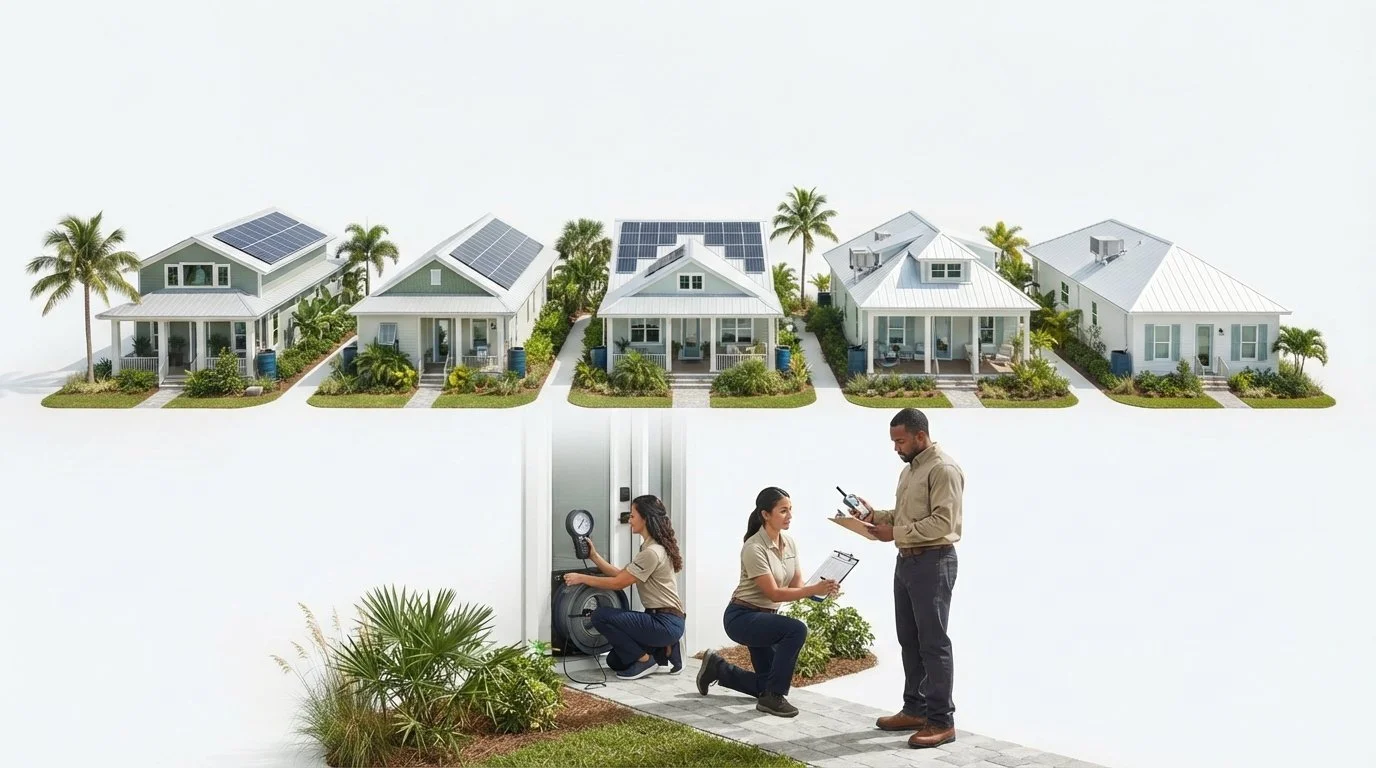
In 2026, a home that merely meets the minimum Florida Building Code is already falling behind the curve of high-performance real estate. You've likely felt the pressure of balancing the rigorous demands of LEED v5 with the practical realities of construction in the Southeast. It's a complex path, but these projects prove that environmental stewardship and market-leading performance aren't just compatible; they're essential. This year's standout projects represent the Top 5 LEED for Homes built in Florida in 2026 Homes, showcasing what's possible when technical precision meets a vision for a more sustainable future.
Mold Prevention Strategies for High-Performance Buildings
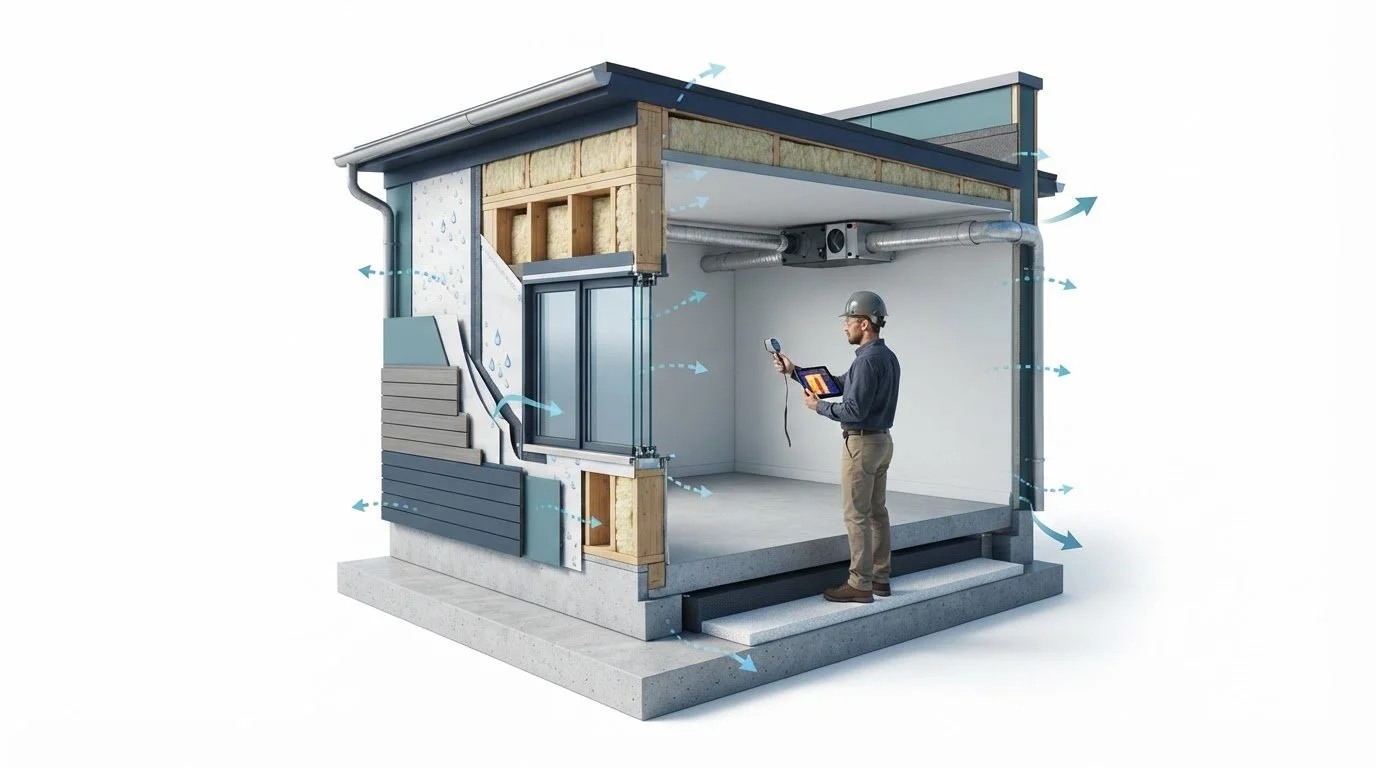
An airtight envelope engineered to slash energy consumption quickly becomes a severe structural liability if you treat mold prevention as an afterthought. Building industry leaders already know the relentless challenge of balancing ultra-tight wall assemblies with active indoor humidity control. As energy codes push enclosures closer to zero air leakage, unintended moisture cannot readily escape, creating a breeding ground for hidden decay, expensive callbacks, and preventable litigation.
Multifamily Construction: Top Mistakes & Opportunities
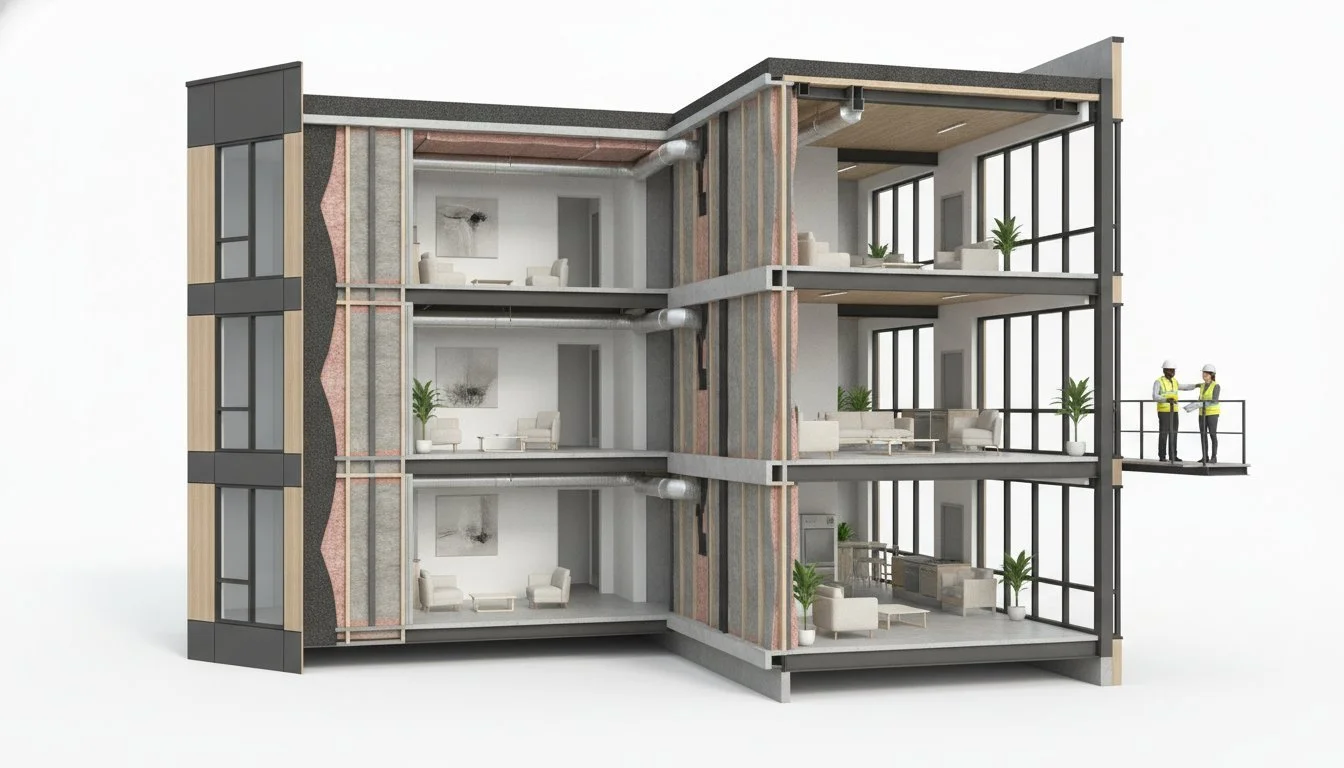
In high-density residential development, sustainability is no longer an exercise in branding; it is a discipline of risk management and mechanical optimization. The traditional disconnect between capital expenditure (CapEx) and operational expenditure (OpEx) has closed rapidly. Institutional equity partners, private credit funds, and real estate investment trusts (REITs) evaluate multifamily assets using rigorous Environmental, Social, and Governance (ESG) frameworks and Global Real Estate Sustainability Benchmark (GRESB) reporting metrics. A building that leaks conditioned air, carries an oversized mechanical load, or underperforms its baseline energy model represents a long-term liability on an institutional balance sheet.
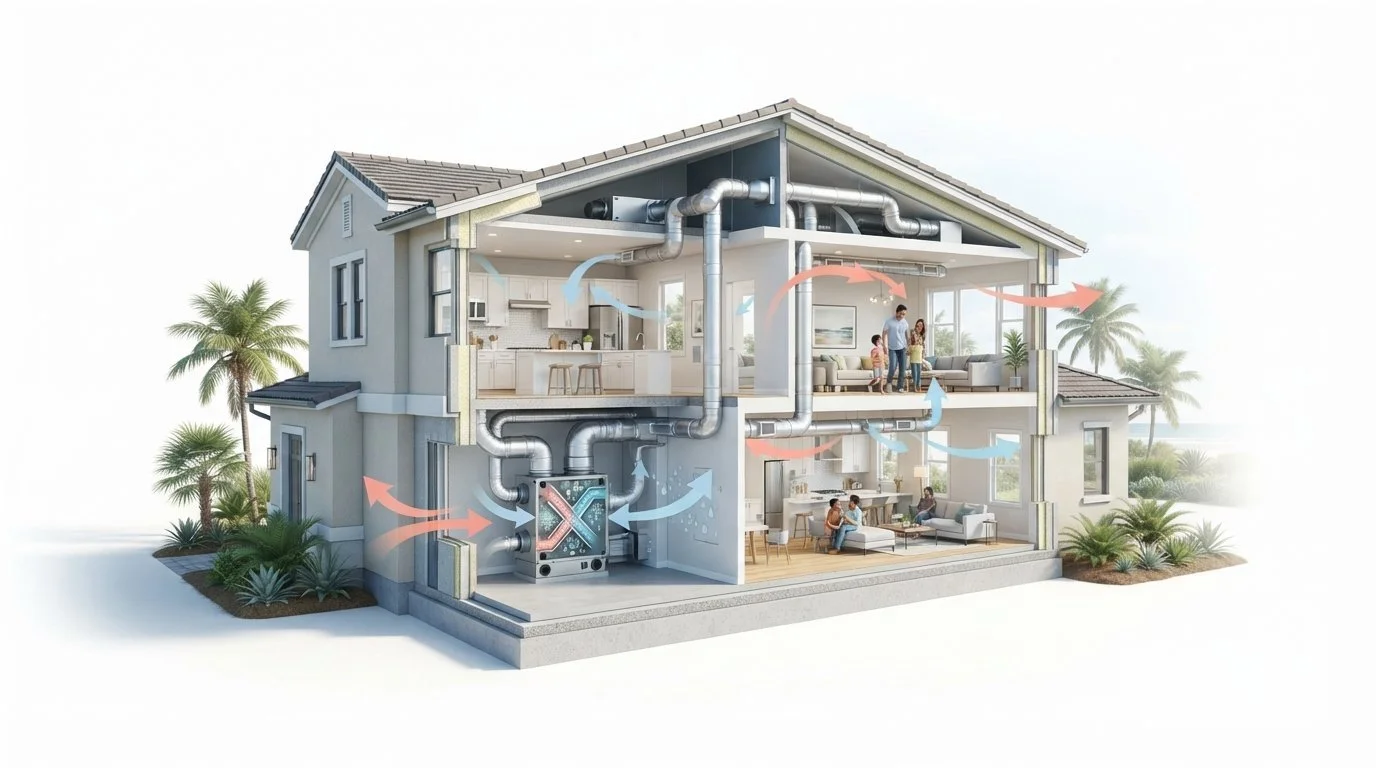
Guide to ERV and Balanced Ventilation Systems
This guide will help you discover how Energy Recovery Ventilators (ERVs) and balanced ventilation systems optimize indoor air quality while securing critical points for LEED, NGBS, and FGBC certifications. We understand that navigating certification-specific requirements can be daunting when you're managing complex project timelines. By focusing on actual performance rather than just paperwork, you can ensure long-term building durability and health. We'll explore the core differences between these systems and provide a clear strategy to earn your green building credentials with confidence, turning a compliance headache into a competitive asset for your next project.
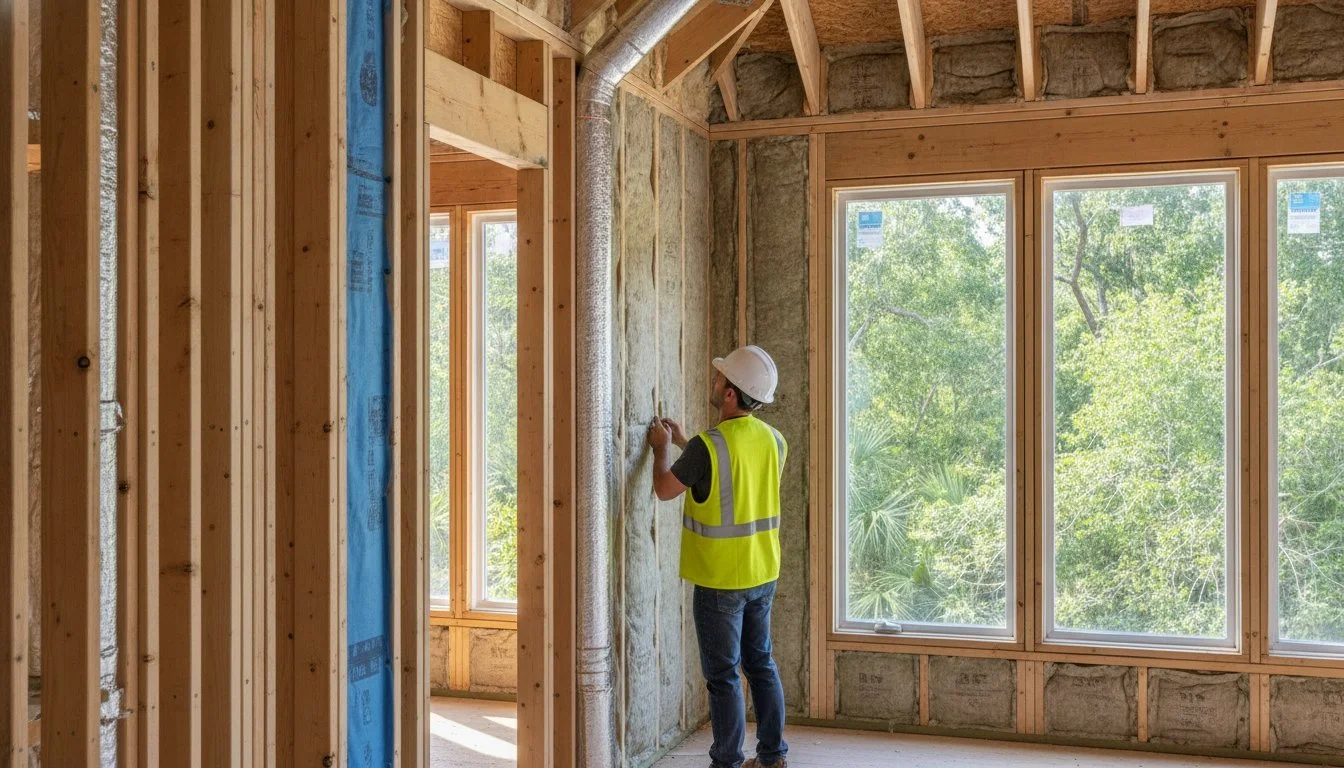
HERS Rating vs. ERI: Key Differences for Home Builders
In construction what is the difference between a HERS rating and an ERI? While these terms are often used interchangeably, they represent different applications of the same underlying ANSI/RESNET/ICC 301 standards. We're here to clear the confusion between HERS and ERI so you can choose the right energy compliance and certification path for your next project. This guide provides a clear breakdown of how these ratings function, how to select the right rater for your specific goals, and how to ensure code compliance across different states. By mastering these nuances, you'll transform complex requirements into a competitive advantage that optimizes performance and builds lasting trust with your clients.
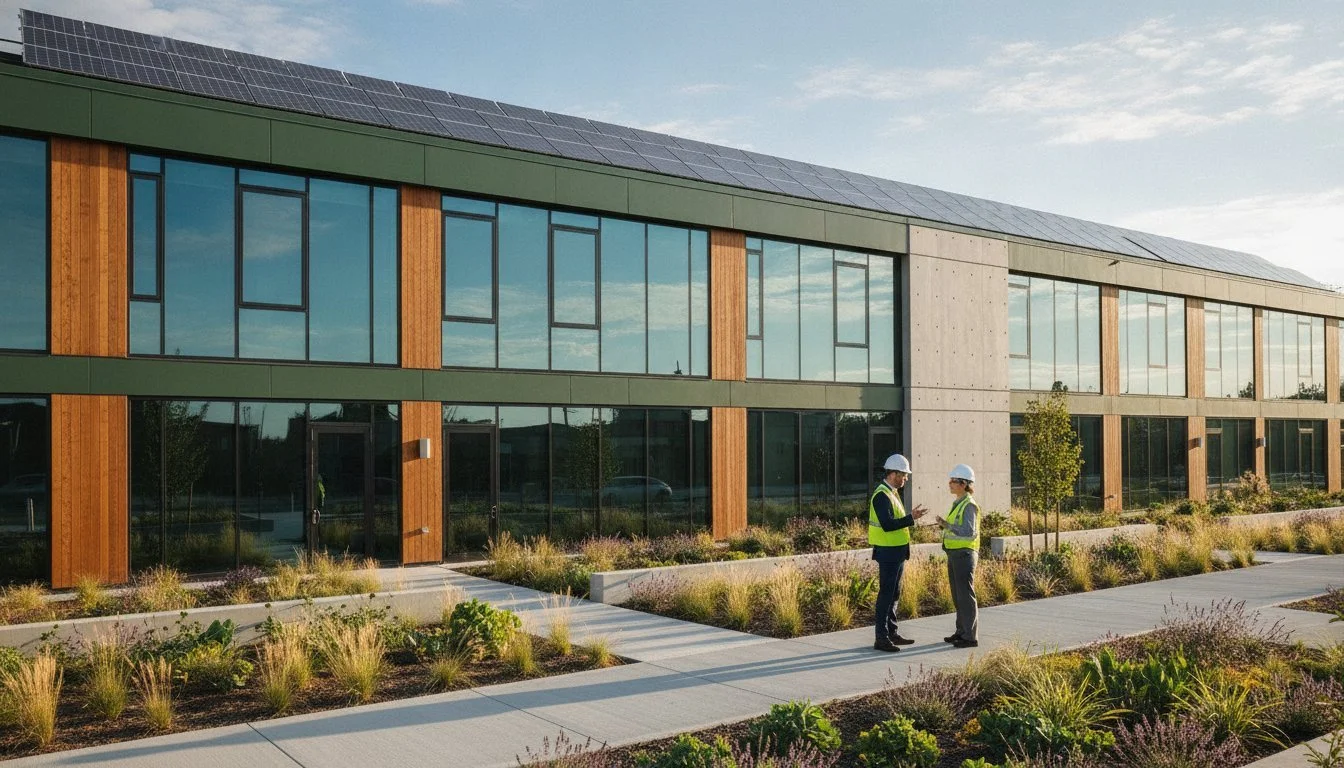
A Developer’s Guide to Green Certification in 2026
The National Green Building Standard (ICC 700) stands as the premier residential green rating system in the United States. It's the first and only system of its kind to receive approval from the American National Standards Institute (ANSI). This distinction is critical because it guarantees a transparent, consensus-based development process with rigorous third-party oversight. For developers, the NGBS ANSI Standard provides a comprehensive framework that applies to single-family homes, multifamily communities, and even large-scale land development.
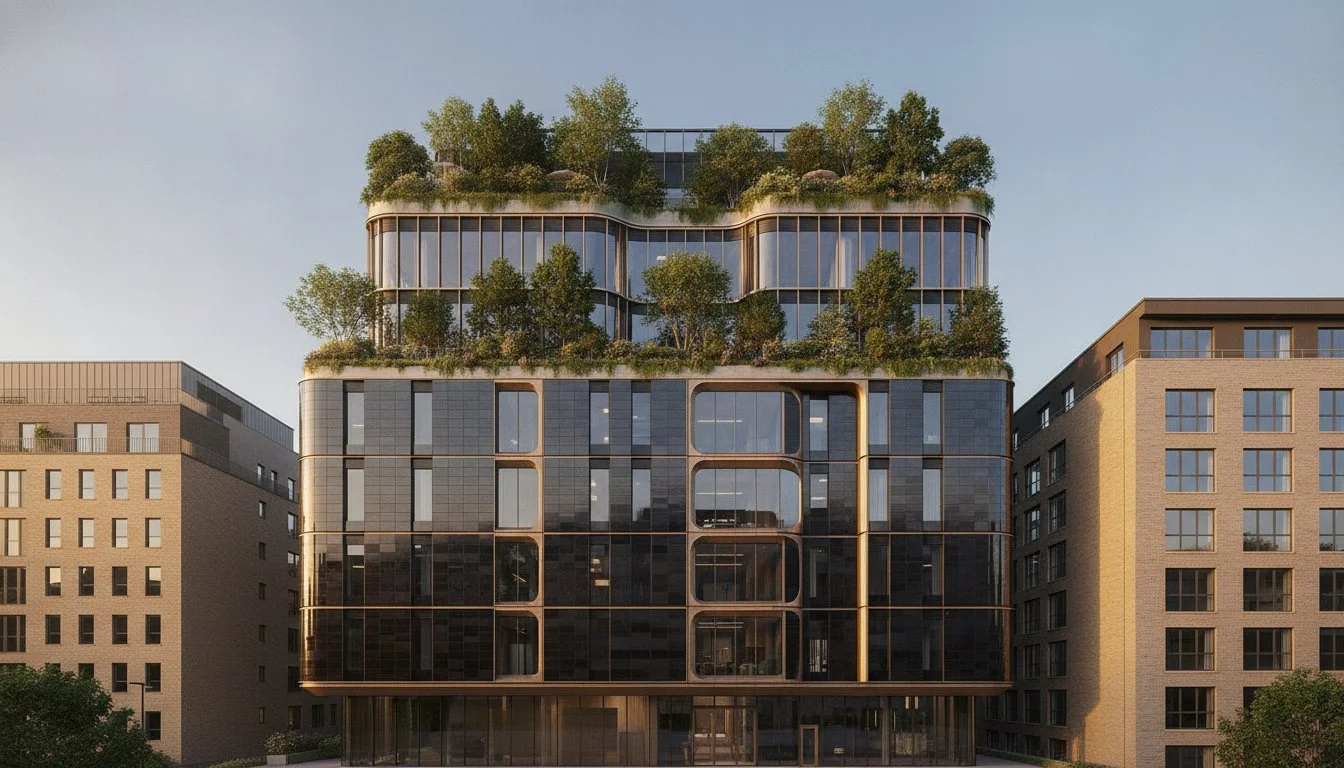
Maximizing Value with NGBS Green+ Certification
In a competitive real estate market, standard certifications often feel like the bare minimum. NGBS Green+ isn't just an extra line on a brochure; it's a supplemental certification for projects that excel in specific, high-impact performance categories. While the base National Green Building Standard (NGBS) levels—Bronze, Silver, Gold, and Emerald—offer a comprehensive green foundation, the Green+ badges provide a targeted way to showcase excellence in areas like wellness or resilience.
Going above and beyond with NGBS with NGBS Green + is particularly relevant under the 2025 and 2026 standards. These updates emphasize specialized badges to help developers differentiate their assets in a market environment where ESG (Environmental, Social, and Governance) reporting is a top priority for institutional investors. By choosing specific performance badges, you're not just checking a box; you're aligning your project with global sustainability goals that attract capital and residents alike.
FGBC Affordable Housing Certification: 2026 Guide
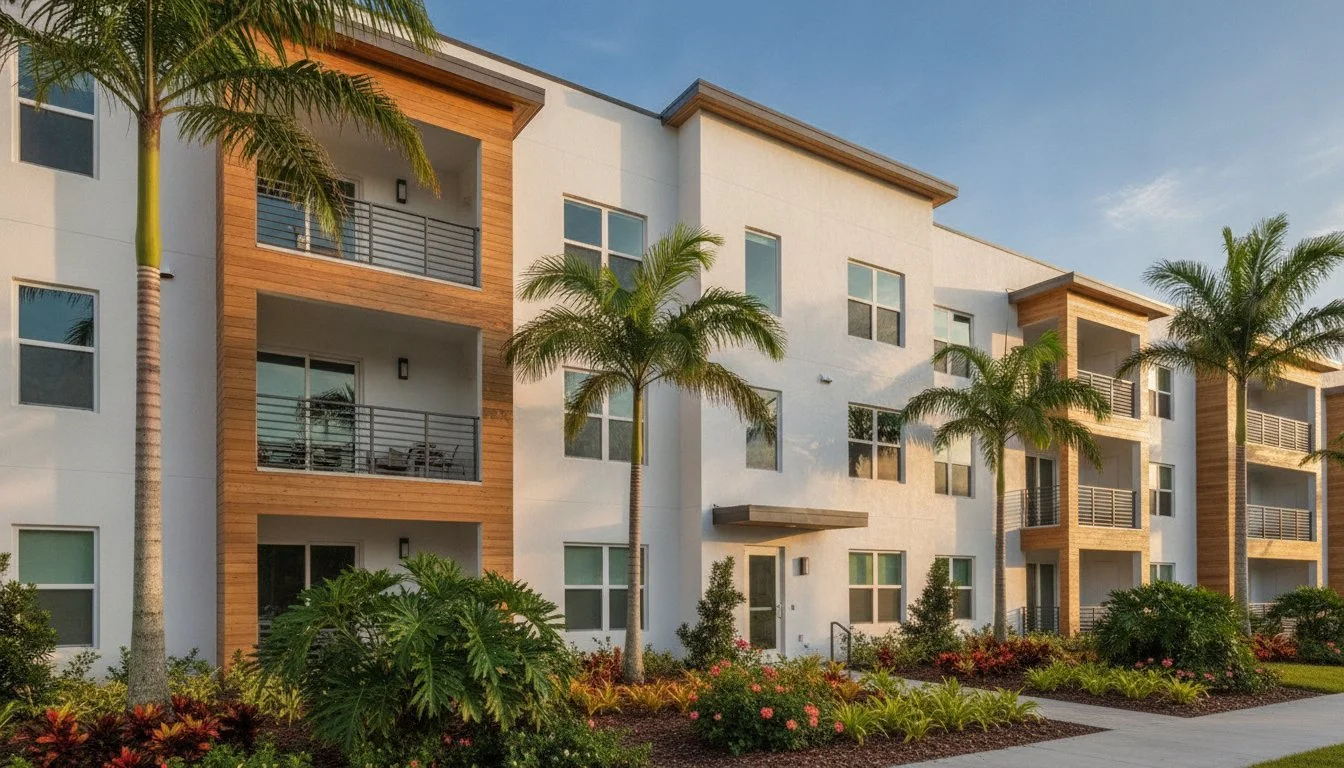
We understand that you're balancing tight construction budgets against complex state funding requirements and the need to keep resident utility bills low. It's a difficult equation to solve without the right expertise. This 2026 guide shows you how FGBC certification optimizes building performance, enhances envelope durability, and secures long-term viability for projects across the USA. We'll explore the latest Version 13 standards, the impact of the Live Local Act, and why focusing on the cost of living is just as vital as the cost of building. By the end, you'll see how specialized industry practices can turn environmental challenges into achievable, cost-effective solutions.
2026 Florida Building Code R407: Energy Compliance Guide
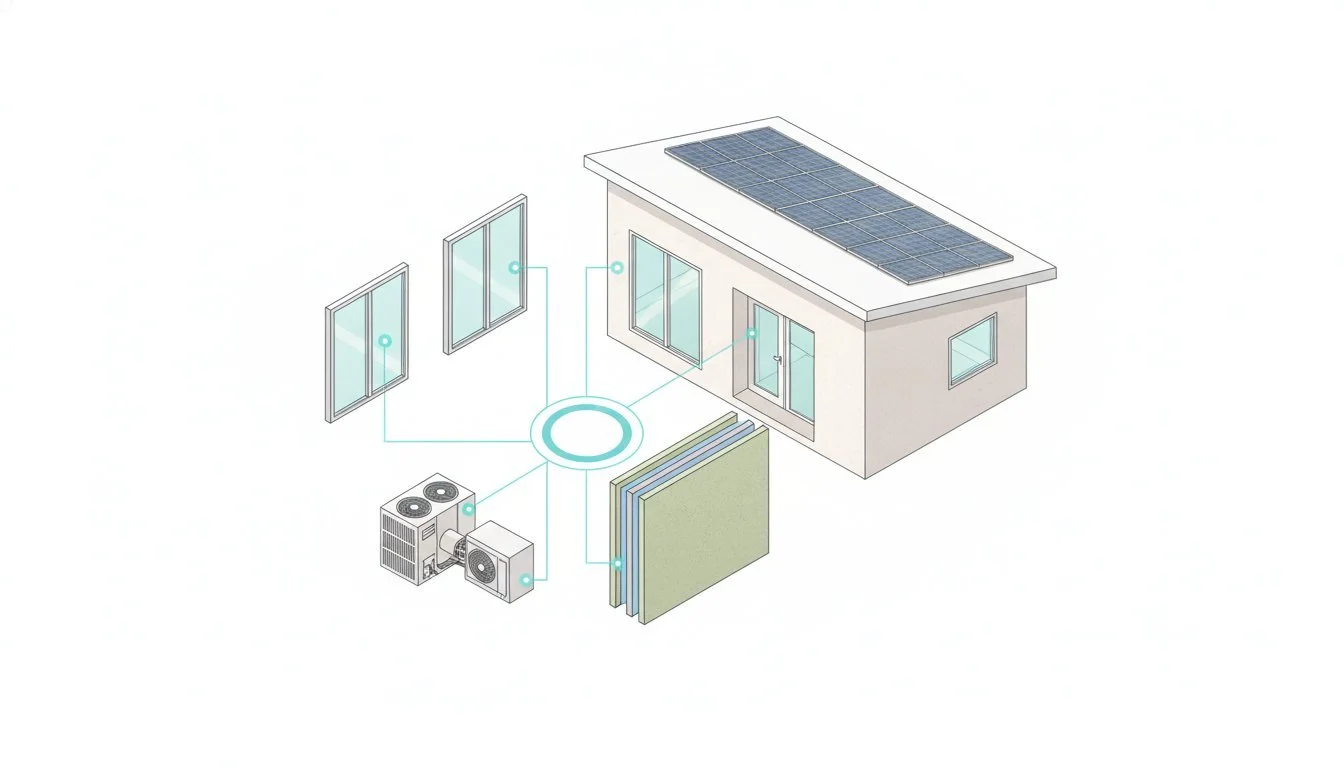
The transition to the 9th Edition of the Florida Building Code, which becomes mandatory for permits submitted on or after December 31, 2026, marks a significant shift in energy conservation strategy. While previous cycles offered simpler distinctions, the 2026 code introduces a more nuanced framework. You might be asking, what is the R407 section of the 2026 Florida Building Code? Technically, R407 is the "Additional Efficiency Requirements" section. It's a mandatory credit-based system designed to ensure that even projects following the prescriptive path achieve high-performance outcomes. This section isn't just a hurdle; it's a tool for flexibility that allows builders to choose their own path toward environmental stewardship.
Guide to Florida Building Code Duct Testing: R405-R408
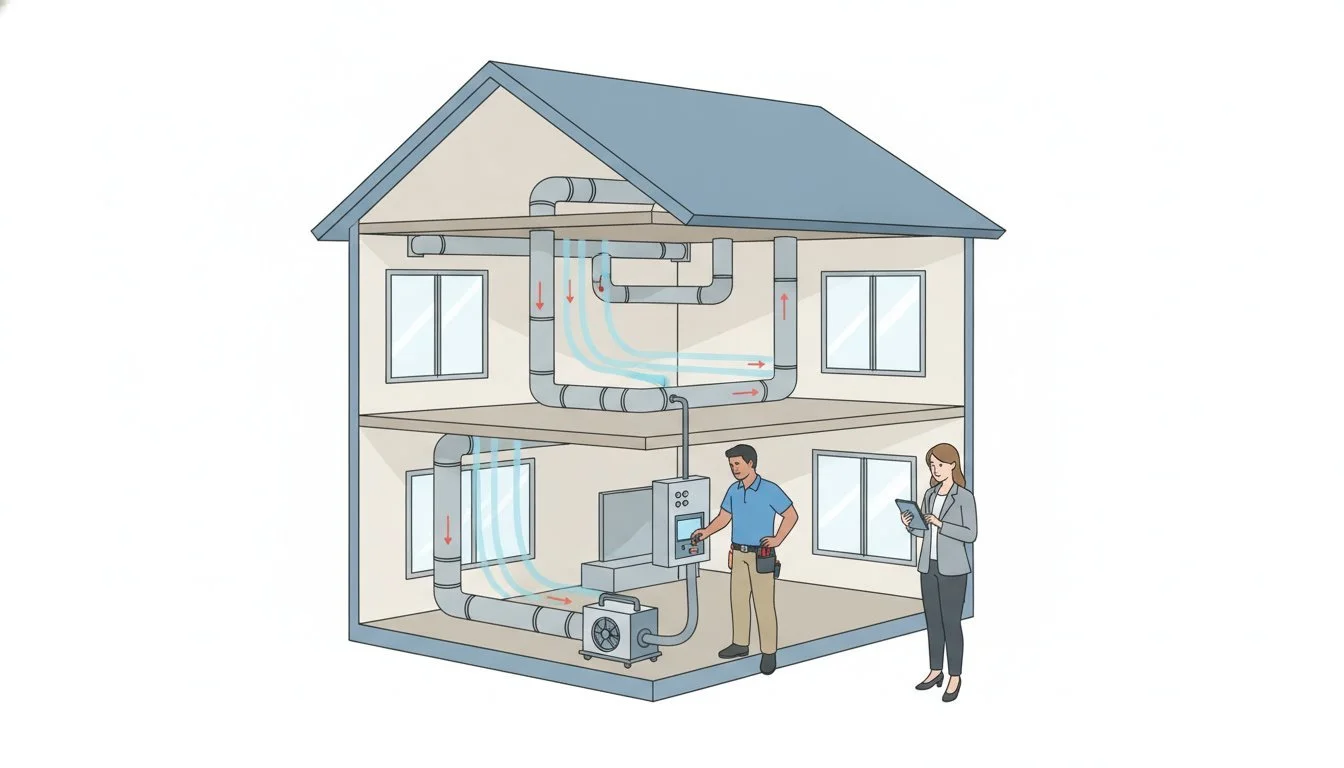
The 9th Edition of the Florida Building Code transforms duct testing from a technical hurdle into a mandatory cornerstone of residential energy performance. You may be asking what is duct testing and Florida Building Code and R405 R407 R408 compliance as you face the new 0.85 e-Ratio requirement and unexpected costs on projects that were previously exempt. We know it's difficult to balance energy credits to meet these stricter standards while keeping your project on schedule. Whether you're developing in Florida, Georgia, or the Carolinas, these shifting mandates require a pragmatic approach to stay ahead of the curve.
Why Design Charrettes Are Vital for Green Certification
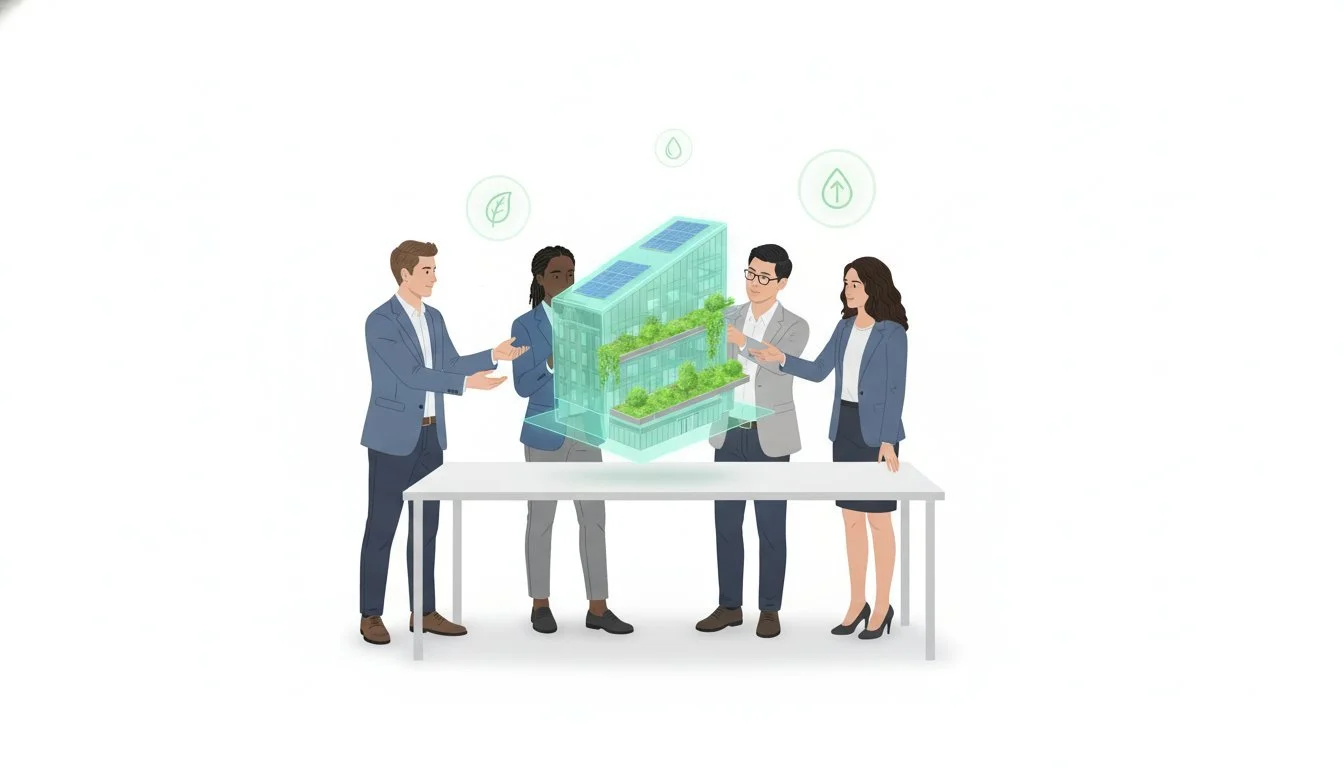
A design charrette isn't just a creative brainstorming session; it's a technical, intensive workshop held at the very beginning of a project's life cycle. A design charrette is the collaborative engine for green building certification that synchronizes technical expertise with environmental goals at the earliest stage of development. What is a Design Charrette? Historically, the term refers to an intense period of design or planning. In the context of modern construction, it serves as the official kickoff where sustainability goals move from abstract ideas to concrete project requirements. This shift is vital for projects in high-growth regions like Florida, Georgia, and the Carolinas, where environmental regulations and climate challenges demand early precision. Understanding Why is a Design Charette such an important step in Green Building Certification. begins with recognizing that sustainability can't be "bolted on" at the end of a project; it must be woven into its DNA from day one.
What is a HERS Rating and What is it Used For? A 2026 Guide
The Home Energy Rating System (HERS) is the gold standard for measuring a building's energy efficiency. If you've been asking "What is a HERS Rating and what is it used for?", it's helpful to view it as a comprehensive evaluation of a home's thermal performance. This system is governed by the Residential Energy Services Network (RESNET), a non-profit organization that ensures every rating follows strict national standards for accuracy and consistency. Essentially, the HERS Index is the "miles-per-gallon" rating for homes, providing a clear comparison of efficiency across different properties. This standardized House Energy Rating has become a vital requirement for developers pursuing green building certifications like LEED or the National Green Building Standard
Florida Non-Profit Green Building Certification Guide
What if the overhead currently draining your operational budget was actually your greatest untapped asset for securing new donor trust? For many mission-driven leaders, green building certification for non-profit organizations in Florida feels like a luxury reserved for massive capital campaigns. However, with the 9th Edition of the Florida Building Code set to implement stricter energy standards by December 2026, these credentials are no longer optional. They're strategic fiscal tools that transform high-performance building standards into transparent, donor-ready proof of your commitment to stewardship.

2026 Florida Building Code Changes: What Builders Must Know
For architects, developers, and builders in Florida, the upcoming 2026 Florida Building Code (FBC) represents more than a routine update; it marks a significant strategic shift toward enhanced resilience and superior energy performance. The Florida Building Commission, in its triennial cycle, is raising the bar, moving the state’s construction standards into closer alignment with national high-performance benchmarks. This transition is not merely about compliance; it's a deliberate effort to fortify Florida’s built environment against severe weather while championing a more sustainable future.
How Builders Achieve Superior RESNET HERS Index Scores
What if the secret to an industry-leading HERS score isn't found in the HVAC system you choose, but in the coordination meetings you hold months before breaking ground? You've likely felt the frustration of a failed inspection or an unexpectedly high score that delays a closing and hurts your marketability. It's a common challenge in an industry where standards like the 2026 ENERGY STAR updates and the mandatory shift to 301-2022 standards are raising the bar. With the national average HERS Index score hitting 53 in 2025, the pressure to outperform the standard is higher than ever.
Hurricane Resistant Building Standards Florida: 2026 Resilience & Certification Guide
The Florida Building Code stands as the most rigorous hurricane-resistant framework in the United States. It isn't just a set of rules. It's a testament to resilience-driven engineering. As we approach the implementation of the 9th Edition in late 2026, the industry is witnessing a pivotal shift from mere survival to functional recovery. Modern designs don't just aim to keep the roof on; they ensure the building remains operational after a major weather event. Integrating the LEED Green Rater checklist Florida during the initial design phase helps developers meet these high-stakes structural demands while ensuring the building remains a high-performance, sustainable asset.
Blower Door Testing: Energy Efficiency & Certification
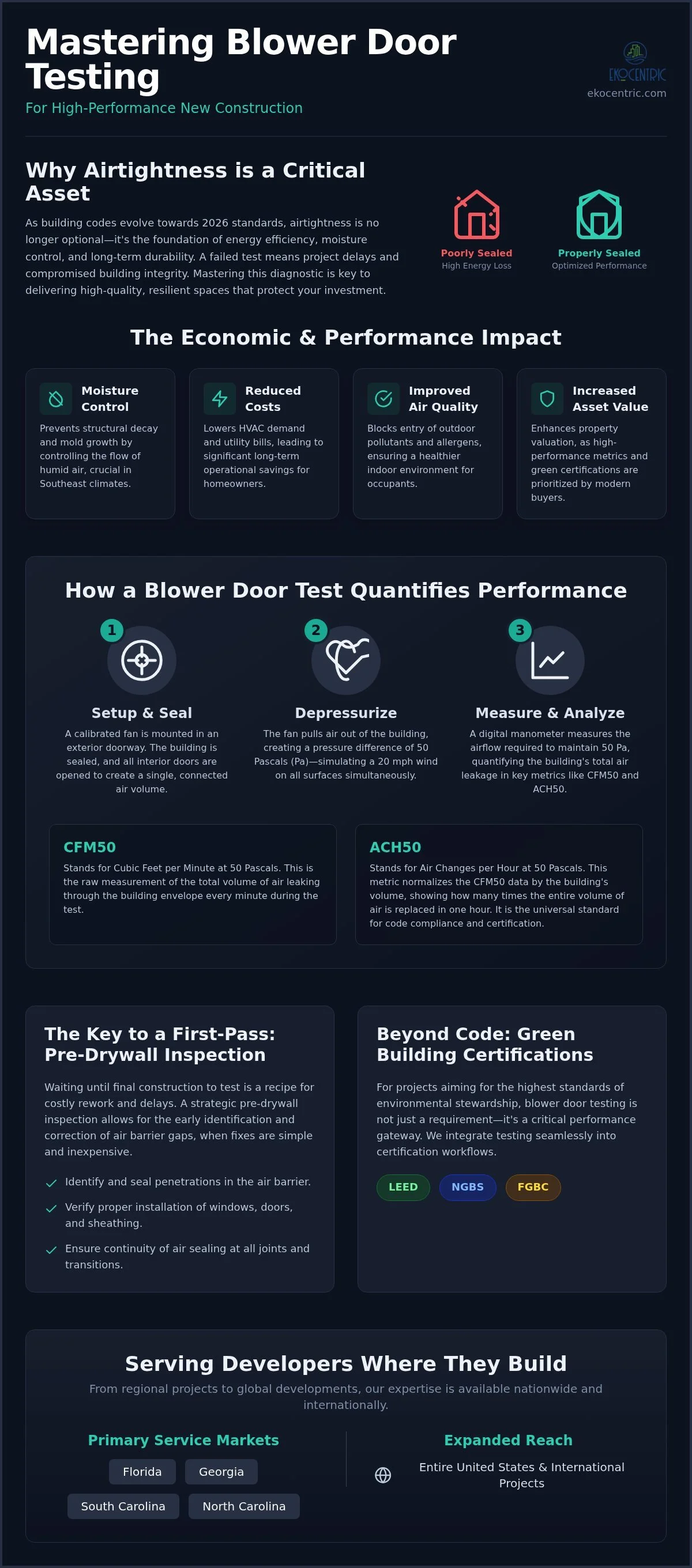
2026 Florida building code requires Blower Door testing on new construction. Blower door testing serves as a definitive diagnostic tool to measure the airtightness of a building's envelope. By using a calibrated fan to depressurize a structure, we quantify exactly how much air leaks through gaps, cracks, and unsealed penetrations. As we look toward 2026, building codes have evolved to prioritize these metrics because airtightness is the single most effective way to control moisture and energy loss.
Green Building Certification: 2026 Developer Guide
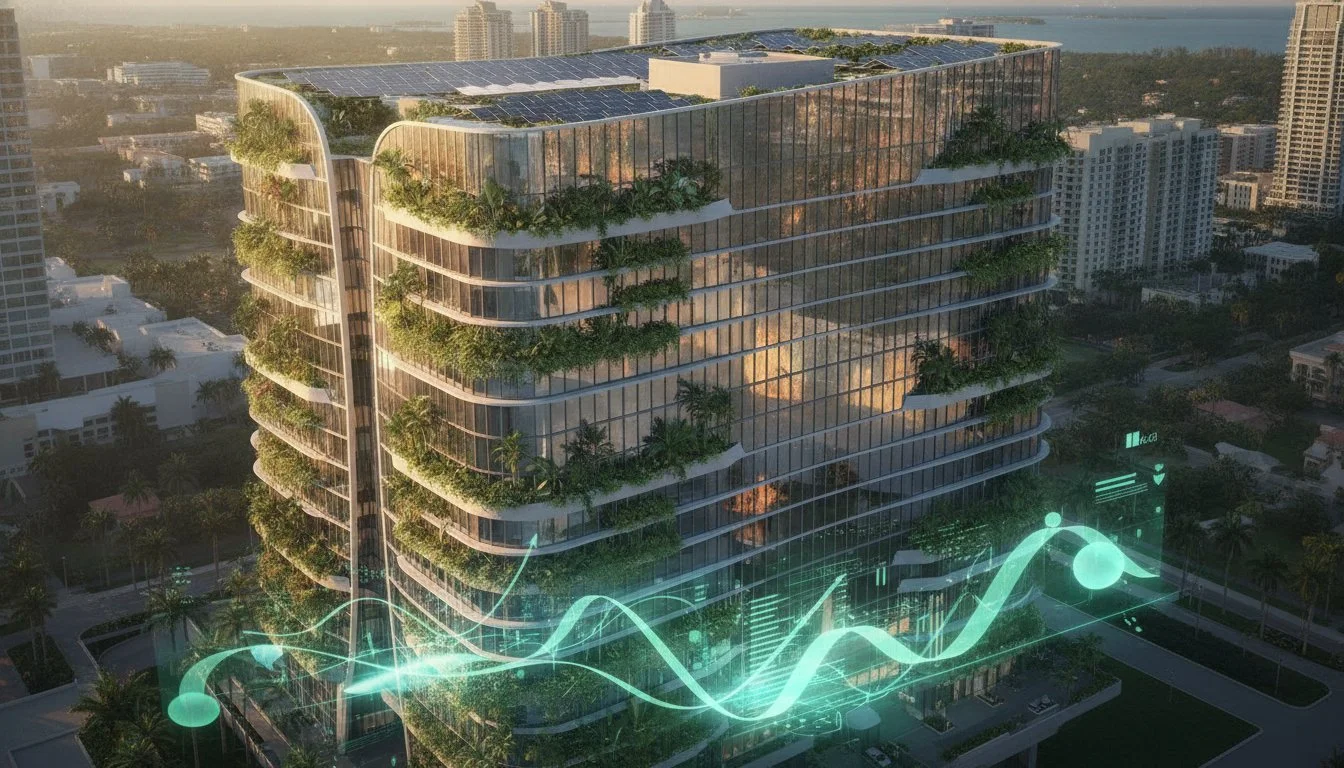
This guide reveals how certifications like LEED, NGBS, and FGBC drive long-term profitability and secure a competitive edge in today's real estate market. You'll learn how to achieve faster lease-up rates and future-proof your compliance with national and international standards. We'll explore the latest ICC 700-2025 updates and show you how to bridge the internal expertise gap. Whether you're building in Florida, Georgia, South Carolina, North Carolina, or across the globe, we'll help you turn sustainability into a pragmatic business advantage that attracts investors and residents alike.
Window Ratings Guide: Understanding U-Factor & SHGC
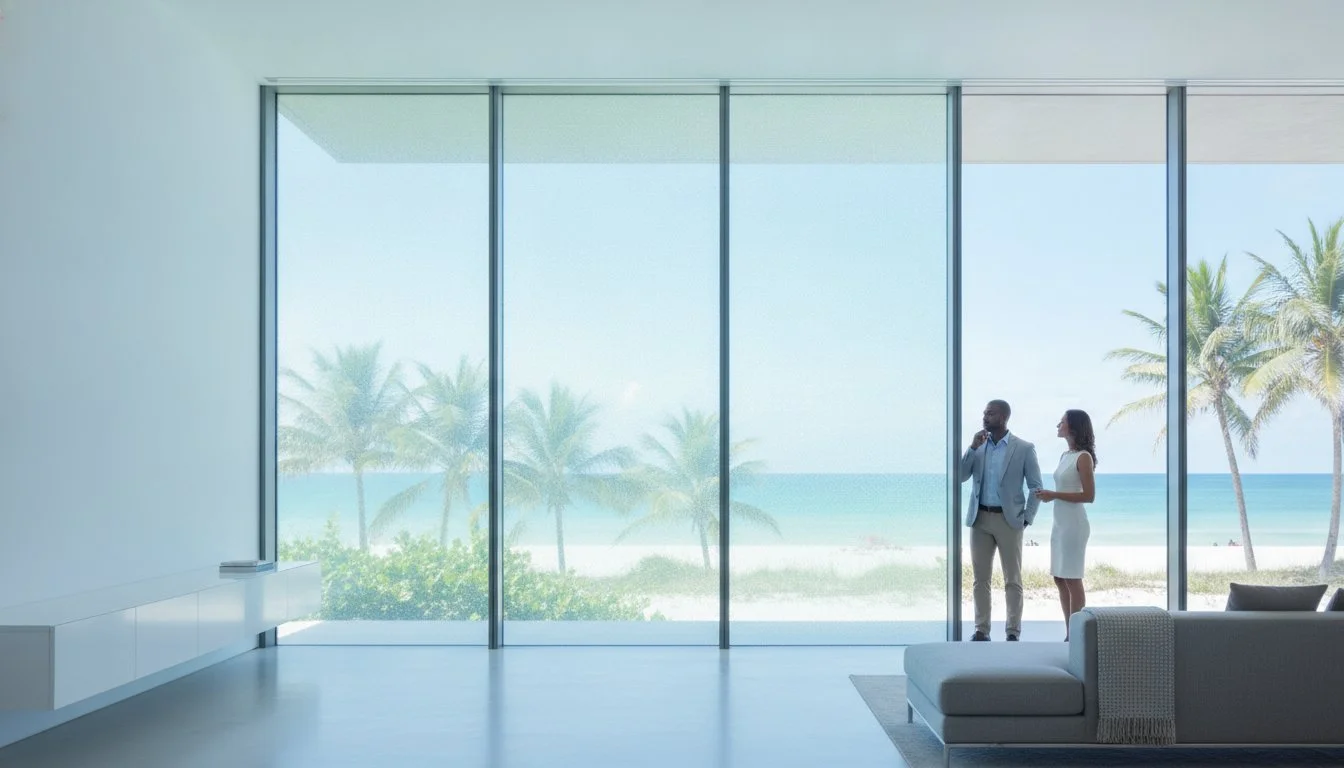
Your project's certification success often hinges on a small piece of adhesive paper that is frequently overlooked during the design phase. Here is what you need to know about Window Stickers. What is a U factor and a Solar Height Gain Coefficient and why does it matter. What are impact windows? These aren't just technical curiosities; they're the critical data points that determine whether your building meets the 9th Edition Florida Building Code or falls short of LEED certification thresholds.
FGBC Assisted Living Standards: A Builder’s Guide
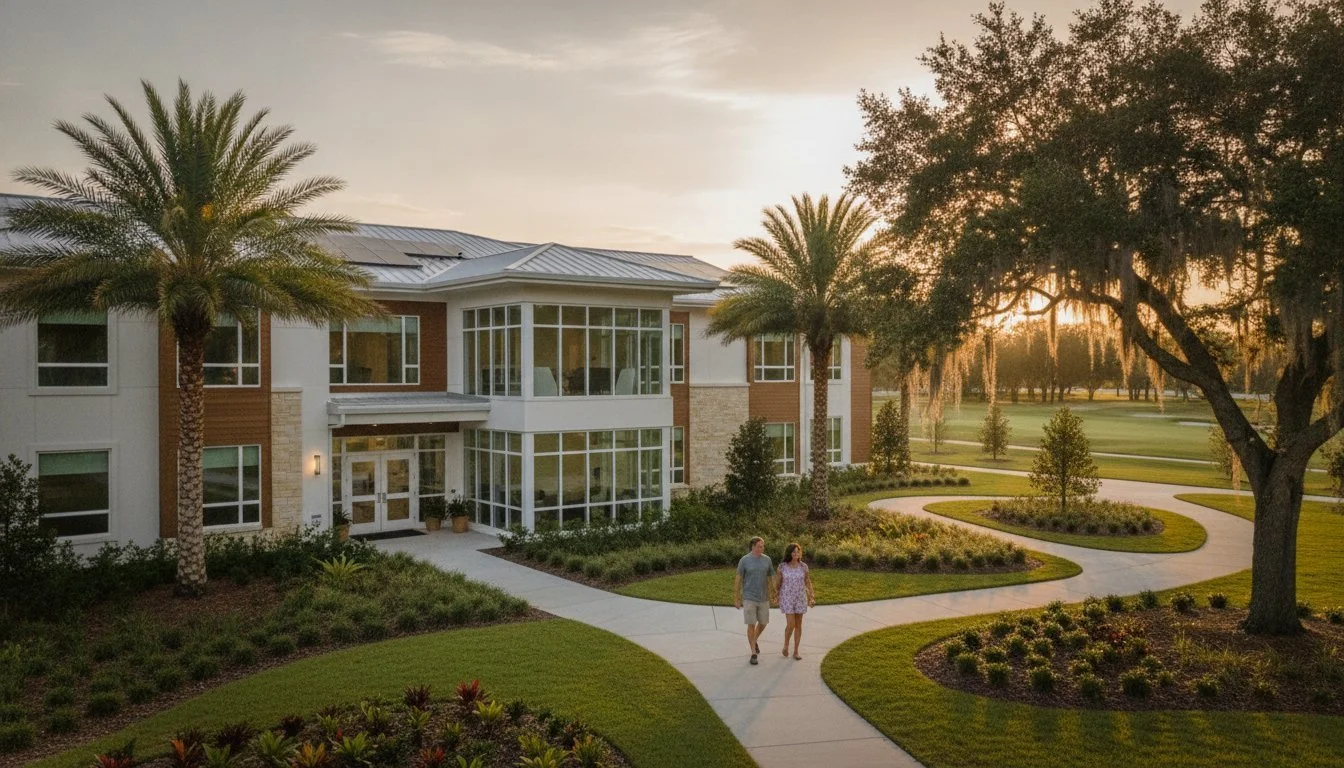
This guide will show you how to navigate the Florida Green Building Coalition requirements to build a resilient, high-performance facility that thrives in our unique subtropical climate. You'll learn how to streamline the certification process, improve indoor air quality for your residents, and differentiate your project in a crowded senior living market. We'll break down the critical 2026 updates, from hurricane-force wind resilience to water conservation strategies that lower operational costs while keeping your facility beautiful and compliant.