More than 100 sessions were on the program for Greenbuild 2026, scheduled for October 20-23 at the Javits Center in New York City. The most useful GreenBuild 2026 Convention takeaways span building performance, sustainable materials, energy efficiency, and the connections professionals can make across the industry.
A packed convention can be energizing, but the value comes from turning ideas into practical next steps for projects. This overview highlights what to look for in the educational sessions, sustainable building products, networking opportunities, continuing education credits, and energy efficiency discussions. It also considers how emerging approaches to decarbonization and resilient buildings can inform decisions long after the event. Whether you’re planning your schedule or reviewing the themes shaping green construction, you’ll find a focused guide to the insights most relevant to your work.
Key Takeaways
Use the program’s 100+ sessions to prioritize learning that connects directly to your project goals and professional development.
Look beyond product claims by considering materials through climate, human health, and social equity impacts.
Assess energy-efficiency strategies in the context of building performance and operating costs, not as isolated upgrades.
Compare certification pathways by the outcomes and project priorities they address, then plan for the documentation and verification involved.
For projects pursuing LEED, Ekocentric’s LEED Green Rater Services can support the verification process.
Table of Contents
Decarbonization, energy, resilience, technology, and materials
What costs, prices, or ROI figures were shared for green building products and upgrades?
Conference themes and educational sessions
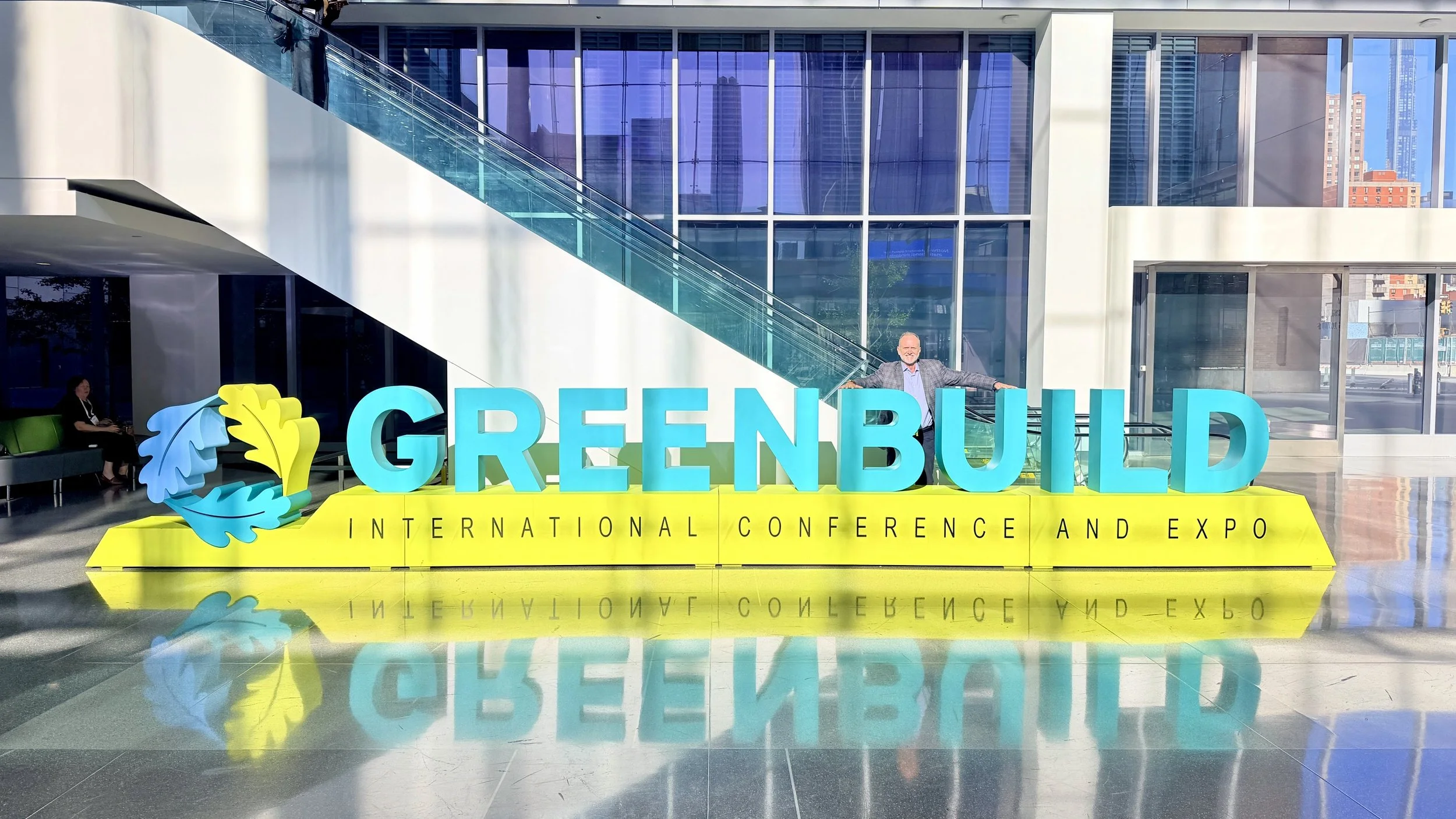
Greenbuild 2026 was October 20-23 at the Javits Center in New York City. The conference advertises more than 100 sessions and 300 industry speakers across green building practice. Among the most useful Green Build 2026 Convention takeaways is the program’s range, which spans technical performance, investment, careers, and communication. Greenbuild describes the gathering as five days, so review the schedule and registration details before planning travel.
The Sustainable Finance & Investing Forum ran from October 20-21, bringing financing discussions alongside technical topics. LEED buildings will receive a measurable impact score to support disclosure and sustainable investment. This emphasis makes performance evidence and clear communication relevant themes for project teams. A practical Green Build 2026 Convention takeaway is to consider how project outcomes will be measured and reported.
Friday, October 23, featured the Future is Green program at the Javits Center, scheduled from 8:00 AM to 4:00 PM ET. Its three education sessions move from career planning to sustainability communication and storytelling:
“The Future of Green Careers: Navigating Tomorrow's Sustainability Landscape” runs from 9:00 to 10:00 AM ET.
“Beyond Code-Switching: Selling Sustainability Across the Political Divide” runs from 10:15 to 11:15 AM ET.
“Storytelling as Infrastructure: Advancing the Triple-Bottom Line Through Narrative and Design” runs from 11:30 AM to 12:30 PM ET.
These topics connect technical work with communities, decision-makers, and career pathways. Build a schedule around sessions relevant to your role, then make time to talk with peers and speakers. Capture practical ideas and identify how they could apply to your projects.
Greenbuild’s sustainability credentials apply to the event, not automatically to every feature of the Javits Center. Greenbuild has achieved Platinum Level certification to the Events Industry Council Sustainable Event Standards. The council’s Event Organizer standard is one of seven comprehensive standards for environmentally sustainable meetings. Treat these credentials as context for event operations, and assess the convention’s educational content separately.
Decarbonization, energy, resilience, technology, and materials
Greenbuild 2026 places carbon reduction at the center of building performance discussions. In LEED v5, decarbonization accounts for 50 points, making it a substantial part of the rating system. That emphasis encourages project teams to consider emissions alongside other sustainability priorities, rather than treating carbon as a separate design issue. For useful takeaways, connect each proposed strategy to measurable project outcomes and the data needed to document them.
Renewable energy is part of the conversation, but there is no single renewable-energy requirement for every U.S. project. Examine the project’s energy demand, available energy sources, and applicable certification pathway together. This helps teams distinguish between reducing energy use and addressing emissions associated with the energy a building consumes. Ground decisions in project conditions rather than assuming one solution suits every building.
Decarbonization strategies also involve choices about existing buildings and new construction. Retrofitting can lower whole-life carbon emissions by 50%-75% compared with new construction. That comparison makes reuse an important option to evaluate when a building’s structure and intended function can support continued use. Project teams can assess the existing asset, identify upgrade priorities, and compare the carbon implications of renovation with replacement before committing to a direction.
Materials add another layer of analysis. The Common Materials Framework is set to integrate into LEED v5, aiming to streamline efforts to reduce building-product impacts. Its impact categories include climate, human health, and social equity. This gives teams a broader lens than product selection based on a single attribute. During specification, consider how material choices affect each category, and organize supporting product information so decisions can be evaluated consistently.
Resilience and emerging technologies connect building decisions to wider environmental and community outcomes. More resilient infrastructure can save US$4.2 trillion from climate change damages, while a zero-emission built environment offers US$10 trillion in investment opportunities each year. Green buildings can also lift 2.8 billion people out of energy poverty. These figures frame decarbonization as both a building-level challenge and an opportunity to strengthen communities. Technologies matter when they support clear performance goals, such as reducing demand, measuring outcomes, or improving a building’s ability to respond to climate impacts.
Use the program’s carbon and materials themes to shape a practical project review: compare retrofit and replacement options, examine product impacts across the Common Materials Framework categories, and identify how performance will be documented. For projects pursuing LEED, LEED Green Rater Services can support the verification process and connect sustainability goals with project documentation.
Resilience as a core green building benefit
Resilience was a central focus at Greenbuild, reflecting the need for buildings to perform through extreme weather, changing climate conditions, grid disruptions, and other challenges. A resilient building protects occupants, maintains essential functions, and recovers more effectively when conditions change. These outcomes are a core benefit of green building because efficient, durable, healthy buildings are better prepared to serve people and communities over the long term.
LEED is one pathway for addressing sustainability and performance, but project teams can also consider certifications and programs with complementary goals. FORTIFIED, for example, provides a framework for strengthening homes against severe weather. Other options may address energy performance, water efficiency, indoor environmental quality, or regional priorities. The right combination depends on the project’s location, risks, performance goals, and intended occupants.
Resilience planning connects design decisions to practical outcomes. Teams can evaluate envelope durability, hurricane-resistant construction, backup power, water management, efficient systems, and indoor comfort alongside certification requirements. Green building is not only about reducing environmental impact; it also helps create buildings that remain safer, more functional, and more affordable to operate as conditions evolve.
Communicating green building value in today’s climate
The terminology around “green” has evolved in the current political climate. While green building remains the foundation, builders, developers, and architects can communicate its value more effectively by emphasizing outcomes that resonate across audiences. Terms such as resilience, energy savings, durability, performance, lower operating costs, health, and preparedness connect sustainability strategies to practical priorities.
This language helps project teams explain why high-performance design matters without relying on a single label. A builder can describe efficient systems as a way to reduce energy use and operating expenses. A developer can present resilience and durability as investments in asset value and continuity. An architect can connect material selection, indoor environmental quality, and efficient design to occupant experience and long-term performance.
Using clear, outcome-focused terminology does not change the underlying goals of green building. It makes those goals easier to understand for clients, investors, officials, occupants, and community partners. When teams pair terms such as “resilience” and “energy savings” with measurable project objectives, they can communicate the business, environmental, and community value of better buildings more effectively.
Energy efficiency and reduced energy bills
Green buildings can reduce energy consumption by 30-50% and cut global energy demand by 12%. These figures describe different scales: building-level consumption and demand across the wider energy system. For an individual property, bill changes depend on its energy use, utility rates, and operating patterns. Evaluate measured performance separately from projected savings to understand what an efficiency upgrade could deliver in practice.
Start by identifying where a building uses energy. Review available energy records, operating schedules, and major systems. Compare periods with similar occupancy and operating hours, noting changes that could affect consumption. This baseline helps teams assess proposed upgrades fairly. Without it, a lower bill might reflect changed operations rather than improved building performance.
For residential projects, RESNET Home Energy Rating verification can help assess energy performance. A HERS Index provides a rating based on testing results. Use it alongside energy records and operating context, not as a forecast of utility bills. The rating offers another structured reference for evaluating a home’s efficiency and discussing potential improvements.
Establish a baseline: Gather energy records and document operating schedules before assessing changes.
Identify the measure: Connect each proposed upgrade to the systems or operations it targets.
Track performance: Compare later energy use with the baseline, accounting for occupancy and schedule changes.
For new projects, evaluate efficiency measures as part of the overall building plan, not as isolated additions. Consider how systems, controls, and expected use work together. In existing buildings, review current operations to identify where further assessment may help. In either case, connect energy goals to a consistent method for measuring performance.
Energy use and carbon impact are related, but they are not the same measure. Assess both how much energy a project consumes and the emissions associated with its energy supply. This distinction helps teams make decisions around specific outcomes, such as reducing consumption, documenting performance, and understanding the effects of upgrades.
To apply these ideas, document the building’s baseline, define the intended improvements, and select a method for tracking results. Treat the 30-50% figure as context for green buildings generally, not a promised outcome for an individual property. Building conditions and operating patterns influence how efficiency improvements affect consumption and bills.
What costs, prices, or ROI figures were shared for green building products and upgrades?
A convention-wide product price or universal return on investment would be misleading. Costs depend on the building, selected products, installation scope, and operating conditions. Broader sustainability figures discussed at Greenbuild describe sector-level opportunities, not a quote or guaranteed financial return for an individual project. Use them as context, not as a substitute for project-specific cost analysis.
To compare an upgrade, first define what the estimate includes. A product’s purchase price alone does not capture the full project cost. Installation, integration with existing systems, commissioning, and ongoing maintenance can all affect the total. An efficient system, for example, may also require controls or changes to existing equipment. Compare complete scopes rather than treating product prices as equivalent.
Next, identify the financial benefit the project expects to measure. Energy savings are a common consideration, but calculations depend on current consumption, utility rates, operating hours, and how the building is used. Estimate savings against a documented baseline and make assumptions explicit. Changes in occupancy or operating schedules can affect the comparison and apparent return.
A straightforward evaluation can organize the decision:
Define the scope: Record the product, installation work, system changes, and maintenance assumptions.
Set a baseline: Use existing operating and energy information to describe current performance.
Estimate benefits: Connect expected energy reductions or other project outcomes to measurable indicators.
Compare options: Apply the same assumptions to each alternative, including renovation and replacement where relevant.
Review actual performance: Compare post-upgrade results with the baseline and explain major operating changes.
ROI is not limited to utility-bill savings. A project team may also assess durability, maintenance demands, resilience, and emissions goals. These benefits matter, but describe them separately unless the project has a clear method for assigning them financial value. That distinction shows decision-makers which benefits are measured and which remain strategic priorities.
For products, review environmental impact information alongside scope and performance. The Common Materials Framework’s categories, climate, human health, and social equity, can help structure the assessment. For upgrades, document assumptions before approval and revisit them after implementation. This creates a traceable basis for judging whether an investment delivered its intended outcomes, without mistaking broad conference discussion for a project-specific price or ROI promise.
How did speakers compare green building certifications such as LEED, WELL, and Living Building Challenge?
A useful comparison starts with the project’s goals, not a contest over which certification is “best.” LEED, WELL, and the Living Building Challenge organize sustainability priorities differently. Identify whether the main aim is whole-building environmental performance, occupant health, or regenerative design. That distinction helps shape early decisions about targets, documentation, and project responsibilities.
LEED is the clearest fit when a team wants a broad framework for building sustainability. Greenbuild 2026’s program connects LEED buildings with measurable impact scoring for disclosure and sustainable investment. For project teams, that makes performance evidence and transparent reporting important considerations. A practical first step is to identify the outcomes the project wants to document, then align its certification plan with those outcomes.
WELL centers on how buildings affect people and the occupant experience. A project focused on indoor environments and occupant wellbeing may assess WELL alongside a broader environmental certification. Start by listing the health-related outcomes that matter to occupants, then map those priorities to design decisions and required evidence. This keeps certification tied to the people who use the building.
The Living Building Challenge is a distinct option for teams pursuing a rigorous regenerative vision. The comparison is less about matching another program’s label and more about assessing the project’s ambition, capacity, and ability to support its chosen goals. Before selecting this pathway, identify which outcomes drive the decision and how the team will demonstrate them throughout the project.
These frameworks can be considered together when a project has complementary goals. For example, a team might use LEED to structure broad sustainability performance, WELL to sharpen occupant-health priorities, and the Living Building Challenge to assess regenerative ambitions. Any combination should have a clear purpose. Overlapping documentation without distinct project value can add complexity, so assign each framework a defined role before committing resources.
Use this comparison sequence during early planning:
Define priorities: Separate environmental performance, occupant wellbeing, and regenerative objectives.
Match frameworks: Select the certification pathway that most directly supports each priority.
Plan evidence: Identify the documentation and project roles needed to demonstrate progress.
Review overlap: Keep multiple frameworks only when each adds a distinct, useful outcome.
Greenbuild’s focus on LEED impact scores adds a reporting lens to this decision, while WELL and the Living Building Challenge address different project priorities. Teams planning LEED documentation and verification can include certification support in early project planning.
Ekocentric: LEED Green Rater Services
Ekocentric provides LEED Green Rater Services to help project teams navigate rating and verification. Bring sustainability goals into focus early, then coordinate the documentation and verification steps needed for the selected pathway. This support is useful when teams need specialized certification guidance alongside design and construction work.
Ekocentric also offers LEED BD+C Consulting, National Green Building Standard Green Verification, and FGBC Certification Consulting. The right fit depends on the project’s certification pathway and the support needed to advance it. These services help connect environmental priorities with a structured certification process.
Contact Ekocentric to discuss certification support for your project.
Turn sustainability priorities into project decisions
Let the Green Build 2026 Convention takeaways inform one clear next step: define the outcome your project needs to deliver, then build certification planning around it. A focused starting point helps teams organize responsibilities, documentation, and performance goals before those decisions become harder to adjust. It also gives project partners a shared basis for moving from sustainability ambition to practical implementation.
Ekocentric supports project teams pursuing LEED Green Rater Services, National Green Building Standard Green Verification, or FGBC Certification Consulting. Choose support based on the certification pathway and the project’s priorities. Bringing guidance into planning helps keep sustainability objectives connected to the work required to pursue them.
Choose the certification goal that best aligns with your project, then take the next step with a knowledgeable partner. Contact Ekocentric about sustainable building to discuss your project. Purposeful decisions today can help advance buildings that serve people and the environment.
Frequently Asked Questions
What is the Green Build 2026 Convention and where and when was it held?
Greenbuild 2026 is the Greenbuild International Conference + Expo, presented in partnership with the U.S. Green Building Council (USGBC). The event is scheduled for October 20-23 at the Javits Center in New York City. Its program brings together green building professionals for educational sessions, an Expo Hall, and networking. Attendees can use the schedule to plan around technical learning, professional development, and industry connections.
What were the biggest announcements and takeaways from Green Build 2026?
Key announcements included a measurable impact score for LEED buildings, intended to support disclosure and sustainable investment, and the Common Materials Framework’s planned integration into LEED v5. The framework considers climate, human health, and social equity impacts. Together, these developments point toward stronger attention to measurable building outcomes and broader product evaluation. Project teams can consider how those priorities affect documentation, material selection, and communication with investors.
What were the key trends in green building design and construction for 2026?
Prominent trends include decarbonization, broader assessment of material impacts, energy efficiency, and resilience. LEED v5 assigns 50 points to decarbonization, placing carbon reduction prominently within that rating system. The Common Materials Framework also brings climate, human health, and social equity into product-impact discussions. For design and construction teams, these themes encourage early coordination between project targets, material choices, and the evidence needed to demonstrate environmental performance.
What building codes, energy standards, and sustainability rules discussed at the convention affect U.S. projects?
The documented standards discussion centers on LEED v5 and its sustainability framework, rather than a single nationwide building-code change. LEED is a certification system, so project teams should distinguish its rating criteria from the codes governing a specific site. The convention’s LEED themes include decarbonization and material-impact assessment. Teams can identify the certification criteria relevant to their project, then coordinate them with applicable local code requirements.
What were the major takeaways on building decarbonization, electrification, and energy efficiency?
Decarbonization and efficiency are clear priorities, with LEED v5 assigning 50 points to decarbonization. Green buildings can reduce energy consumption by 30-50%, while the broader energy-demand reduction figure is 12%. These figures describe green buildings generally, not guaranteed results for an individual property. For a project, establish an energy-use baseline and assess how proposed strategies affect consumption and emissions. Electrification decisions should be evaluated within that project-specific performance picture.
What practical steps did experts recommend for making buildings more sustainable?
Start by setting project goals, assigning responsibility for tracking them, and organizing supporting documentation early. Compare renovation and replacement options, assess product impacts across climate, human health, and social equity, and define how building performance will be evaluated. For certification, select a pathway that matches project priorities and plan verification tasks alongside design and construction milestones. This turns broad sustainability ambitions into coordinated, reviewable actions.
What new sustainable building technologies and materials were featured?
The Common Materials Framework, set to integrate into LEED v5, offers a way to assess building products across climate, human health, and social equity impacts. The article does not identify specific new technologies.
What risks and challenges for green building projects were highlighted at the convention?
Account for changes in occupancy and operating schedules when evaluating energy savings, since they can affect bills and measured consumption. Compare retrofit and replacement options, and plan how to document and verify performance.