Top 10 Florida Green Homes 2026: Certification Guide
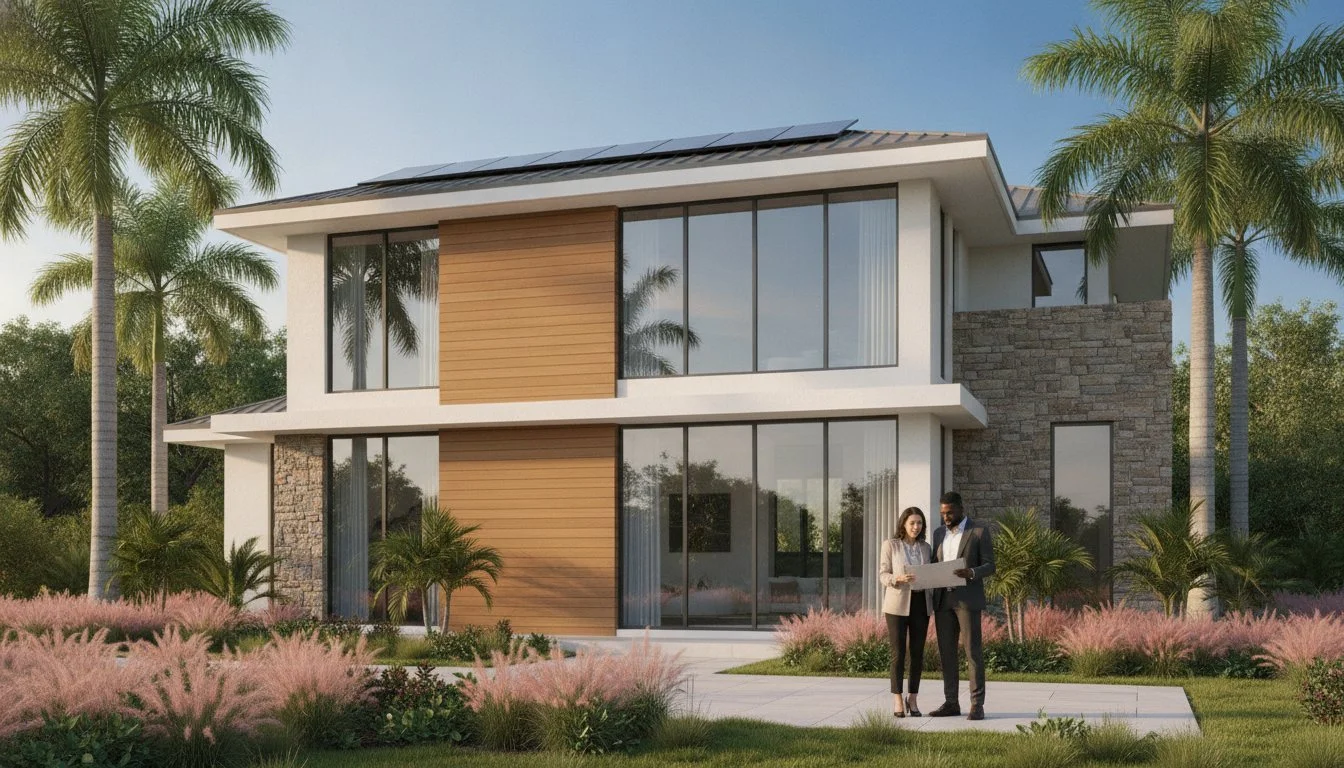
Where can you find a Green Home?
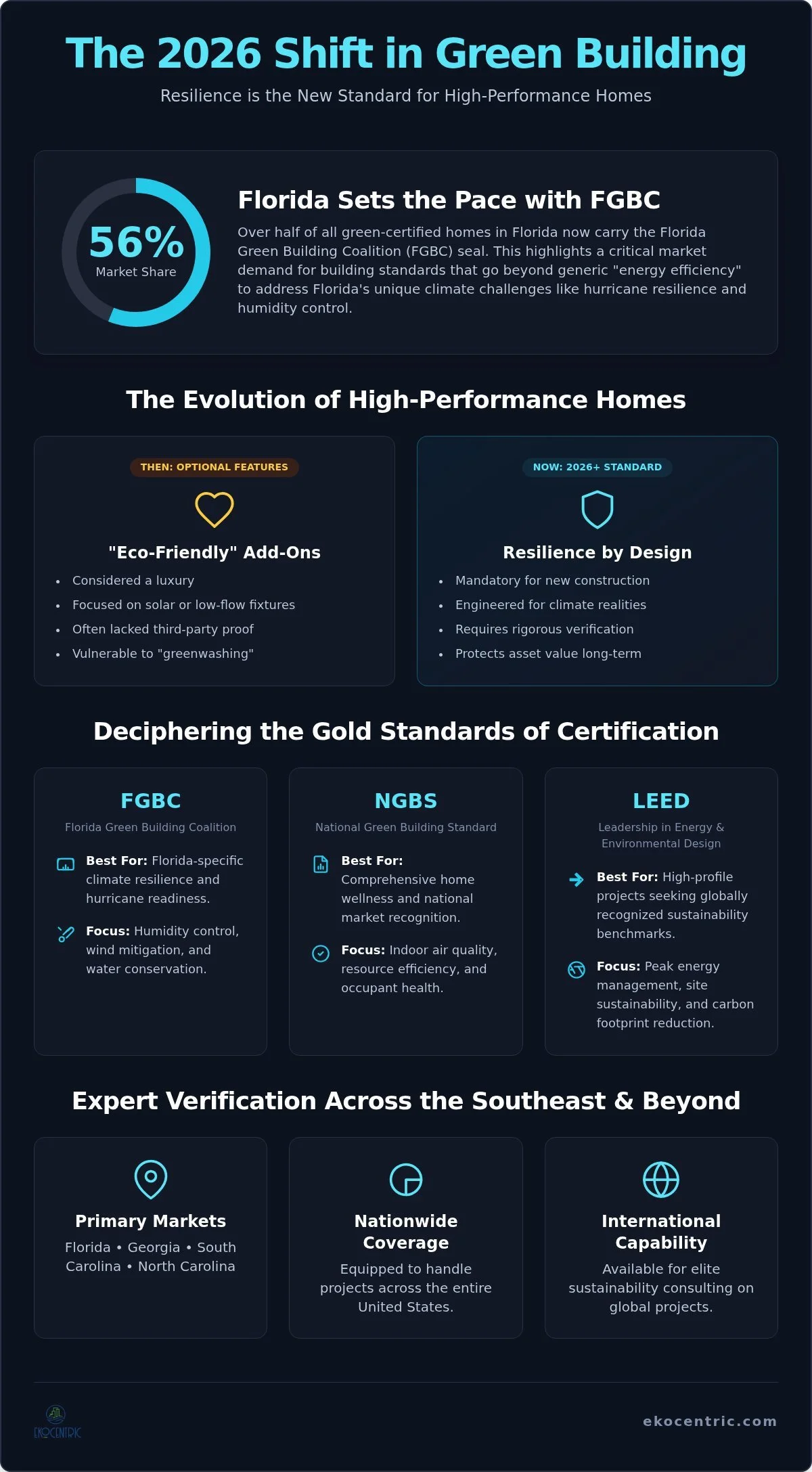
Did you know that 56% of green-certified homes in Florida now carry the FGBC seal of approval? In a state where hurricane resilience and humidity control are non-negotiable, a standard "energy-efficient" label isn't enough to guarantee long-term performance. If you're searching for the Top 10 new Green Homes in Florida 2026 and their certification, you've likely realized that third-party verification is the only way to avoid the trap of greenwashing. It's confusing to weigh LEED against NGBS or FGBC, especially when your investment's durability depends on climate-specific engineering.
We understand that project leads and homeowners need more than just vague promises; they need technical clarity and verified results. This guide cuts through the noise to showcase the most sustainable residential developments hitting the market this year. You'll discover which projects lead the pack in resource efficiency and exactly which certifications define their environmental footprint. We'll explore how these high-performing homes utilize the latest 2025 NGBS standards and Florida-specific FGBC V13 protocols to deliver genuine ROI and peace of mind.
Key Takeaways
Understand why 2026 represents a critical shift in residential construction as mandatory resilient building standards replace optional eco-friendly features.
Explore our curated list of the Top 10 new Green Homes in Florida 2026 and their certification to identify leading projects across diverse regional climates.
Compare the technical requirements of LEED, NGBS, and FGBC to determine which framework best aligns with your project's specific environmental and financial goals.
Master the developer’s roadmap for successful certification, emphasizing the importance of early-stage consulting and rigorous design reviews to ensure compliance.
Discover how specialized third-party verification from a LEED Green Rater or NGBS Verifier protects long-term asset value and eliminates the risks of greenwashing.
Table of Contents
The Evolution of Florida Green Building in 2026
2026 represents a structural pivot in how we define high-performance housing in the Southeast. We've moved past the era where solar panels or low-flow faucets were considered impressive luxury add-ons. Today, the market demands residences that can withstand a Category 4 hurricane while maintaining net-zero energy consumption. This shift is driven by a combination of rising insurance premiums and the full implementation of the 8th Edition of the Florida Building Code. As we examine the Top 10 new Green Homes in Florida 2026 and their certification, it's clear that the most successful projects aren't just "green" by choice; they're resilient by design.
Third-party verification has become the essential shield against greenwashing. In the luxury market, developers often claim sustainability without rigorous proof, but sophisticated buyers now look for specific Green building certification systems to validate these claims. Whether it's a LEED Green Rater audit or an FGBC certification, these rigorous checks ensure that a home's environmental performance is a documented fact rather than a marketing slogan. This transparency builds the confidence necessary for high-stakes residential investments.
Resilience as the New Sustainability Standard
Real sustainability in Florida requires a different playbook than in the Pacific Northwest or New England. Energy efficiency is vital, but flood and hurricane resistance are the true pillars of longevity. The 2026 certification landscape emphasizes tilt-up concrete structures and impact-rated systems that exceed standard requirements. "Florida Green" isn't just about resource conservation; it's about ensuring a structure remains standing and functional after a major weather event. By integrating these resilient practices into the early design phase, builders create high-quality living spaces that protect both the environment and the homeowner's equity. This pragmatic approach to construction is what separates standard projects from the elite developments we've curated for this guide.
Market Demand Across the Southeast
Florida's rigorous standards are currently influencing high-performance builds in Georgia and the Carolinas. We're seeing a surge in sustainable multi-family developments in urban Georgia and resilient coastal retreats in South Carolina that mirror Florida's focus on climate-specific engineering. Ekocentric provides specialized certification services across these regions, helping developers bridge the gap between ambitious environmental goals and technical reality. While Florida remains the leader in FGBC adoption, the demand for NGBS and LEED verification is growing rapidly throughout the Southeast and across the entire United States. This regional growth proves that the Top 10 new Green Homes in Florida 2026 and their certification models are becoming the blueprint for the future of American housing. Our team is dedicated to supporting this mission-driven evolution, whether the project is located in Miami, Atlanta, or an international market seeking elite sustainability expertise.
Top 10 New Green Homes and Communities in Florida 2026
The residential landscape in the Southeast is undergoing a profound transformation. As we move into 2026, the standard for luxury and performance is no longer defined by aesthetics alone, but by rigorous, third-party verified sustainability. This curated list represents the Top 10 new Green Homes in Florida 2026 and their certification pathways, showcasing the projects that set the benchmark for climate resilience and resource efficiency. These developments demonstrate that high-quality living spaces can coexist with deep environmental stewardship.
The 2026 Florida Green Honor Roll
Babcock Ranch 2026 Phase: This community continues its legacy as a solar-powered pioneer, targeting FGBC Platinum under the latest V13 standards for its newest residential clusters.
Lakewood Ranch Modern Enclave: A sophisticated neighborhood focusing on the 2025 National Green Building Standard (NGBS) Gold level, emphasizing health and wellness through advanced indoor air quality.
Miami Waterfront Resilient Villa: A masterclass in coastal engineering targeting LEED for Homes Platinum. The U.S. Green Building Council (USGBC) framework ensures this project manages both sea-level rise and peak energy demand.
Gainesville Eco-Village: This project pushes the boundaries of the NGBS Emerald tier, utilizing regenerative landscaping and carbon-sequestering building materials.
Tampa Heights Net-Zero Townhomes: Achieving FGBC Gold, these urban residences feature integrated solar shingles and high-performance envelopes.
Orlando Solar District: A mixed-use community pursuing dual LEED and NGBS certifications to maximize operational efficiency and resident comfort.
Jacksonville Coastal Preserve: Focused on FGBC Platinum, this development prioritizes indigenous landscaping and significant water conservation measures.
Tallahassee Canopy Estates: A project achieving NGBS Silver that proves sustainable construction is achievable and scalable in North Florida’s unique climate.
St. Petersburg Urban Infill: These modern residences target LEED for Homes Gold, focusing on walkability and reduced transit emissions.
Ekocentric’s Southeast Resilient Model: As a leader in the industry, our own flagship consulting project integrates LEED, NGBS, and FGBC standards to serve as a blueprint for developers across Florida, Georgia, and the Carolinas.
Key Features Driving 2026 Rankings
The projects on this list don't just meet minimum codes; they exceed them through intentional engineering. A primary driver for these rankings is the integration of advanced solar storage paired with safe harbor inverters. These systems allow homes to remain functional during grid outages, providing a level of security that standard builds lack. Passive cooling designs are also critical. By tailoring window placements and thermal mass to Florida’s high humidity, these homes reduce the mechanical load on HVAC systems, leading to lower utility costs and increased longevity.
Smart water management has also moved to the forefront. The 2026 leaders utilize systems that adapt to both drought and flood cycles, ensuring that every drop of water is used efficiently. If you're developing a project and need to verify these specific metrics, our NGBS and LEED rater services provide the technical oversight required for success. We help partners throughout the United States and international markets achieve these elite benchmarks through pragmatic, results-oriented consulting.
Deciphering the Certifications: LEED vs. FGBC vs. NGBS
Choosing the right framework is a strategic decision that impacts both construction costs and long-term asset value. While the Top 10 new Green Homes in Florida 2026 and their certification profiles show a mix of standards, the market data tells a specific story. FGBC currently holds a dominant 56% market share in Florida because it addresses local realities like salt-spray and extreme humidity. NGBS follows at 42%, favored for its streamlined approach to multi-family projects, while LEED maintains a 3% share, often reserved for high-prestige, international-scale developments. Each system offers a distinct path to high performance, but they all share a common goal: verified environmental stewardship.
Certification Comparison Framework
Each system prioritizes different metrics based on its underlying philosophy. FGBC V13 focuses heavily on Florida-specific resilience, including hurricane mitigation and water conservation through indigenous landscaping. LEED BD+C is globally recognized for its technical rigor in material health and lifecycle analysis. The 2025 National Green Building Standard (NGBS) provides a flexible, points-based system that builders find highly intuitive for single-family homes and large-scale residential communities.
Verification is where the rubber meets the road. A LEED Green Rater or NGBS Verifier doesn't just check boxes; they perform rigorous on-site audits to eliminate greenwashing. This process includes blower door testing to ensure envelope integrity and duct leakage testing to verify HVAC efficiency. These standards aren't limited to Florida. For projects in Georgia, South Carolina, or North Carolina, NGBS and LEED are often the preferred choices due to their national recognition. Ekocentric’s NGBS Green Verification services help project leads in these states navigate the complexities of these audits, ensuring every environmental claim is backed by technical data.
Ancillary Standards: ENERGY STAR and HERS
ENERGY STAR for Homes serves as the foundational baseline for most green certifications. It ensures that the core mechanical systems and building envelope meet a strictly defined efficiency threshold. Without this baseline, achieving higher-tier certifications like LEED Platinum or NGBS Emerald is nearly impossible. Performance is quantified through the Home Energy Rating System.
The HERS Index is the industry standard for measuring a home’s energy performance. A lower HERS score indicates a more efficient home, with a score of 0 representing a net-zero energy building. By utilizing a RESNET HERS Rater during construction, developers can precisely quantify the ROI of their sustainable investments. This technical clarity is exactly what sophisticated buyers of the Top 10 new Green Homes in Florida 2026 and their certification look for when making a purchase decision. Whether you're building in the Southeast or managing an international project, these metrics provide the pragmatic proof required for modern, high-quality living spaces.
eveloper’s Roadmap to Green Certification
Achieving the status seen in the Top 10 new Green Homes in Florida 2026 and their certification lists requires more than just good intentions; it requires a disciplined technical roadmap. Successful developers don't treat sustainability as a final coat of paint. Instead, they integrate it into the project's DNA from the first site plan. This structured approach ensures that every environmental goal translates into a tangible asset that performs as promised. Whether you're building a single-family residence in South Carolina or a multi-family complex in Georgia, the path to certification follows four critical milestones.
Step 1: Early-stage consulting and goal setting. We define the target certification, such as LEED or FGBC, during the pre-design phase. This prevents costly retrofits later.
Step 2: Design review and preliminary assessment. Our team conducts a deep dive into the blueprints to verify that insulation levels, window specifications, and HVAC designs meet the required points threshold.
Step 3: Field verification and performance testing. During construction, we perform on-site inspections. This includes blower door tests and duct leakage assessments to ensure the building envelope is airtight and efficient.
Step 4: Final documentation and submission. We compile the technical data and performance results into a comprehensive package for third-party audit and final plaque issuance.
Avoiding Common Certification Pitfalls
Waiting until mid-construction is the most frequent mistake we see. It's often too late to achieve LEED status once the walls are closed. Certain prerequisites, like framing inspections and moisture management checks, must happen at specific intervals. Hiring a specialized LEED Green Rater early in the process is the only way to safeguard your investment. This is especially true for developers managing multi-state portfolios across Florida, Georgia, and the Carolinas. Each state has unique environmental stressors, and your documentation must reflect these regional realities to pass a rigorous audit.
Optimizing Performance Beyond the Plaque
A certification shouldn't just be a marketing tool. The data gathered during the verification process serves as a manual for building longevity. By optimizing the building envelope and mechanical systems, you're directly reducing the risk of mold, rot, and premature equipment failure. This pragmatic focus on high-quality construction drives higher real estate valuations and lowers long-term operational costs. These same US-based standards are increasingly requested for international projects, where technical rigor is used to differentiate premium developments in emerging markets. If you want to ensure your project meets these elite benchmarks, partner with our expert verification team to navigate the complex audit process with confidence.
Performance-Driven Consulting with Ekocentric
Achieving a spot among the Top 10 new Green Homes in Florida 2026 and their certification rankings requires a partner who understands the intersection of building science and market value. We recognize that developers and project leads often face a significant gap in internal capacity when managing specialized certification requirements. Ekocentric fills this void by acting as a pragmatic, mission-driven extension of your team. Our background as a licensed Florida Certified Building Contractor and a licensed Realtor across Florida, North Carolina, and South Carolina provides us with a unique perspective that standard consultants lack. We don't just understand the technical rater requirements; we understand the business realities of high-performance construction.
Our team provides comprehensive support for the industry's most rigorous standards, including LEED Green Rater services, NGBS Green Verification, and FGBC consulting. We've built our reputation on helping partners navigate the complex audit processes required for elite environmental performance. While our roots are deep in the Florida market, our expertise extends throughout the Southeast, including Georgia and the Carolinas. We also serve clients across the entire United States and manage international projects for developers seeking to implement US-based sustainability benchmarks abroad. This broad geographic reach ensures that our clients benefit from a diverse range of best practices and regional insights.
The Ekocentric Advantage
The core of our advantage lies in our deep knowledge of Florida’s specific building codes and their evolving relationship with sustainability standards. We stay ahead of regulatory shifts to ensure your projects remain compliant and competitive. Our track record with architects and developers across the Southeast demonstrates our ability to deliver results that protect both the environment and the bottom line. We approach every project with a sense of dedication that goes beyond simple consulting. We're true advocates for an environmentally conscious future, positioning specialized industry practices as achievable solutions to global challenges. This combination of sincere commitment and practical business acumen makes us a reliable partner for those looking to define the next generation of high-quality living spaces.
Start Your 2026 Project Consultation
Engaging with Ekocentric early in your development cycle is the most effective way to secure a high-tier certification. We offer tailored solutions for the residential, multi-family, and commercial sectors, ensuring that your specific operational pain points are addressed with precision. Whether you need a RESNET HERS Rater for a single-family home or a LEED BD+C consultant for a large-scale urban development, our team is equipped to guide you from pre-design to final plaque issuance. Don't let the complexity of third-party verification stall your progress toward 2026 sustainability goals. Explore our full range of certification services today to see how our expert verification can elevate your next project and maximize its long-term asset value.
Building the Future of Southeast Resilience
The transition from optional eco-features to mandatory resilient standards is now a non-negotiable reality for the residential industry. We've explored how the Top 10 new Green Homes in Florida 2026 and their certification tiers set a new benchmark for high-performance housing that prioritizes both longevity and environmental stewardship. Whether you're navigating the technical rigor of LEED BD+C or the climate-specific focus of FGBC V13, third-party verification remains your only defense against greenwashing and your best path toward long-term asset value.
As a Licensed Florida Certified Building Contractor and expert LEED Green Rater and NGBS Verifier, Ekocentric provides the technical oversight required for elite success. We serve developers across Florida, Georgia, North Carolina, South Carolina, and beyond, ensuring that every project meets the highest benchmarks of resource efficiency. If you're ready to secure your project's future and lead the market in sustainable innovation, partner with Ekocentric for your next LEED or FGBC project. Together, we can turn visionary sustainability goals into high-quality, resilient living spaces that stand the test of time.
Frequently Asked Questions
What is the most popular green home certification in Florida for 2026?
FGBC remains the most popular certification in the state, currently holding a 56% market share. It's specifically designed for Florida’s hot and humid climate, prioritizing hurricane resilience and water conservation. When reviewing the Top 10 new Green Homes in Florida 2026 and their certification profiles, you'll find that FGBC V13 is the preferred choice for developers who want to address local environmental stressors while ensuring high resource efficiency.
How does a LEED Green Rater differ from a standard building inspector?
A LEED Green Rater provides specialized technical verification that goes far beyond a standard building inspector's scope. While standard inspectors check for basic code compliance and safety, a Rater conducts rigorous third-party audits, including blower door and duct leakage testing. This performance-based verification ensures the project meets the high benchmarks set by the USGBC. It's a critical process for eliminating greenwashing and protecting your long-term investment.
Is FGBC certification recognized outside of Florida?
FGBC is a Florida-specific standard and isn't typically used for projects outside of the state. It's engineered specifically for the regional challenges of the Florida peninsula. For our clients in Georgia, South Carolina, and North Carolina, we recommend utilizing NGBS or LEED frameworks. These certifications are nationally recognized and provide the technical rigor required for high-performance builds across the entire United States and in international markets.
What are the benefits of NGBS certification for multi-family developers?
NGBS (ICC 700) offers multi-family developers a flexible and builder-friendly points system that is easy to scale across large projects. It provides a clear roadmap for achieving high levels of energy and water efficiency without unnecessary complexity. By securing an NGBS Gold or Emerald rating, developers can demonstrate verified environmental stewardship. This often helps in qualifying for specific financing requirements and significantly increases the property's market value.
Can Ekocentric provide green building consulting for projects in North or South Carolina?
Yes, Ekocentric provides comprehensive consulting and verification services throughout both North and South Carolina. Our expertise isn't limited to Florida; we are licensed Realtors in NC and SC and serve the entire Southeast region. We help project leads manage the complexities of LEED and NGBS certifications from pre-design through final verification. We act as a pragmatic partner for developers who need specialized support to meet their sustainability goals.
How much does it cost to get a new home LEED certified in 2026?
The cost of LEED certification depends on the project's square footage and the specific tier you aim to achieve, such as Gold or Platinum. Total expenses include USGBC registration and certification fees along with the technical consulting required for the rater’s audits. While there is an upfront investment, the ROI is realized through significantly lower utility costs and increased resale value. We focus on streamlining this process to ensure your project remains financially viable.
What is the role of an ENERGY STAR Rater in the certification process?
An ENERGY STAR Rater verifies that a home’s mechanical systems and thermal envelope meet strict EPA efficiency guidelines. This verification is vital because ENERGY STAR often serves as the mandatory baseline for more advanced certifications like LEED or NGBS. By performing on-site inspections, the rater ensures that the home's core systems are optimized for longevity. This technical oversight is a hallmark of any project featured among the Top 10 new Green Homes in Florida 2026 and their certification leaders.
Does Ekocentric handle international green building projects?
Yes, Ekocentric is available for international green building consulting and verification projects. We apply our deep technical expertise in LEED BD+C and NGBS standards to help global developers implement elite sustainability benchmarks. Our mission-driven approach ensures that high-quality, resilient living spaces are achievable in any market. We serve as a dedicated partner, providing the technical oversight needed to manage complex project requirements on an international scale.
Article by