How to Get FGBC Certified: A Strategic Guide for Florida Builders
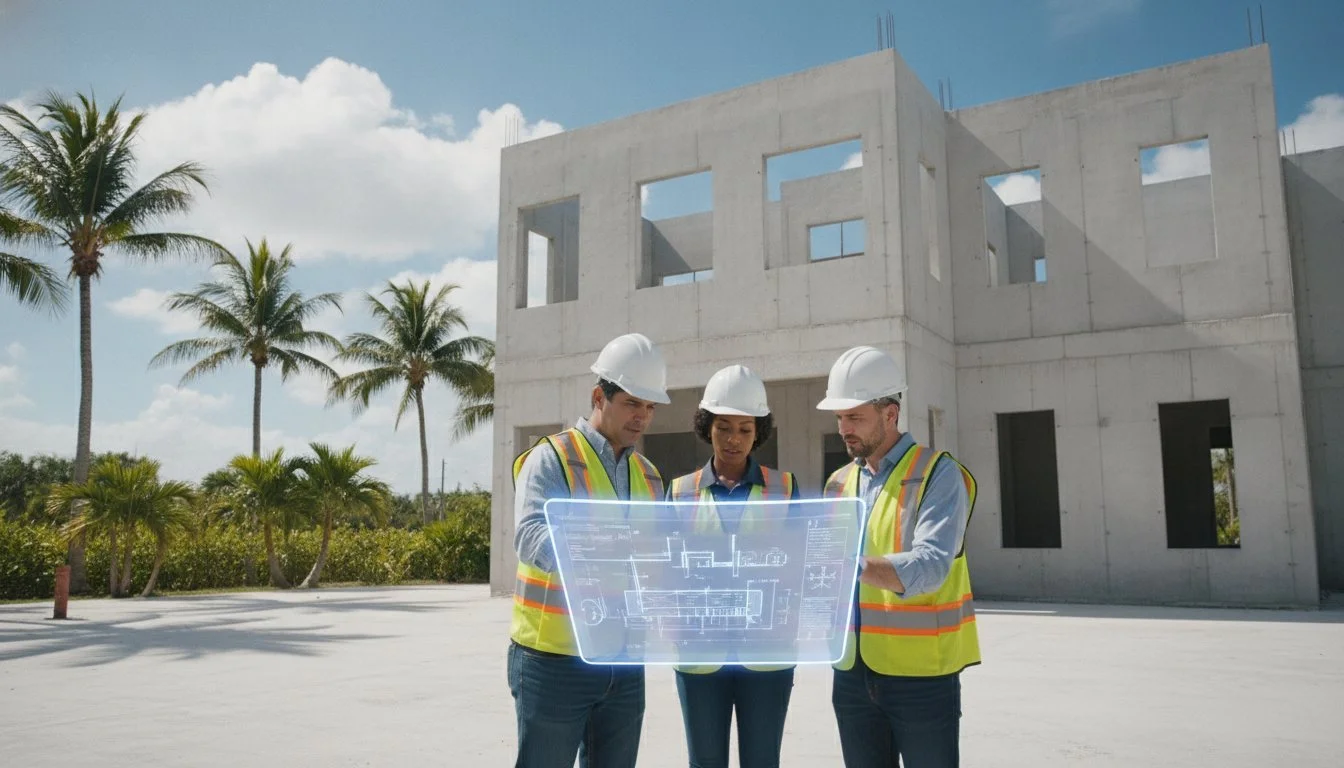
Building for Florida isn't like building anywhere else; it's a constant negotiation with high humidity, intense heat, and the ever present threat of hurricane season. You've likely felt the frustration of trying to apply broad, national standards to a landscape that demands a much more localized approach. Understanding how to get FGBC certified provides the strategic framework you need to move beyond basic compliance and toward true structural excellence.
We're committed to helping you master the Florida Green Building Coalition process to create resilient, high performing properties that are purpose built for our unique environment. This guide will show you how to streamline your certification journey while effectively managing the technical requirements and extensive paperwork that often overwhelm internal teams. We'll explore the specific standards for various project types, from residential to commercial, and demonstrate how these specialized practices lead to lower operational costs and significant market differentiation. By the end of this article, you'll have a clear roadmap to navigate the FGBC landscape with confidence and precision.
Key Takeaways
Learn why Florida’s unique climate requires specialized building standards and how FGBC addresses hurricane resilience and high humidity.
Break down the five core categories of the FGBC rating system to see how HERS ratings and high-efficiency HVAC units translate into tangible property performance.
Evaluate the differences between regional and national standards like LEED and NGBS to choose the most cost-effective certification for your project.
Master the step-by-step roadmap of how to get FGBC certified, from selecting a designated evaluator to successful project registration.
Understand how partnering with a mission-driven consultant can help you manage complex paperwork while building a legacy of environmental stewardship.
Table of Contents
What is FGBC Certification and Why Does Florida Need It?
The Florida Green Building Coalition (FGBC) provides a certification framework specifically engineered for the Sunshine State's demanding environment. While many Green building certification systems offer a broad approach to sustainability, FGBC focuses on the regional realities that Florida builders face every day. It's not just about energy savings; it's about creating structures that can withstand 150 mph winds and relentless humidity. Understanding how to get FGBC certified is becoming a prerequisite for developers who want to minimize long term risk and maximize property value in an increasingly volatile market. This localized focus ensures that your investment remains viable even as environmental pressures mount.
To better understand the fundamentals of this process, watch this helpful video from the coalition itself:
Change video
The Five Pillars of Florida Green Building
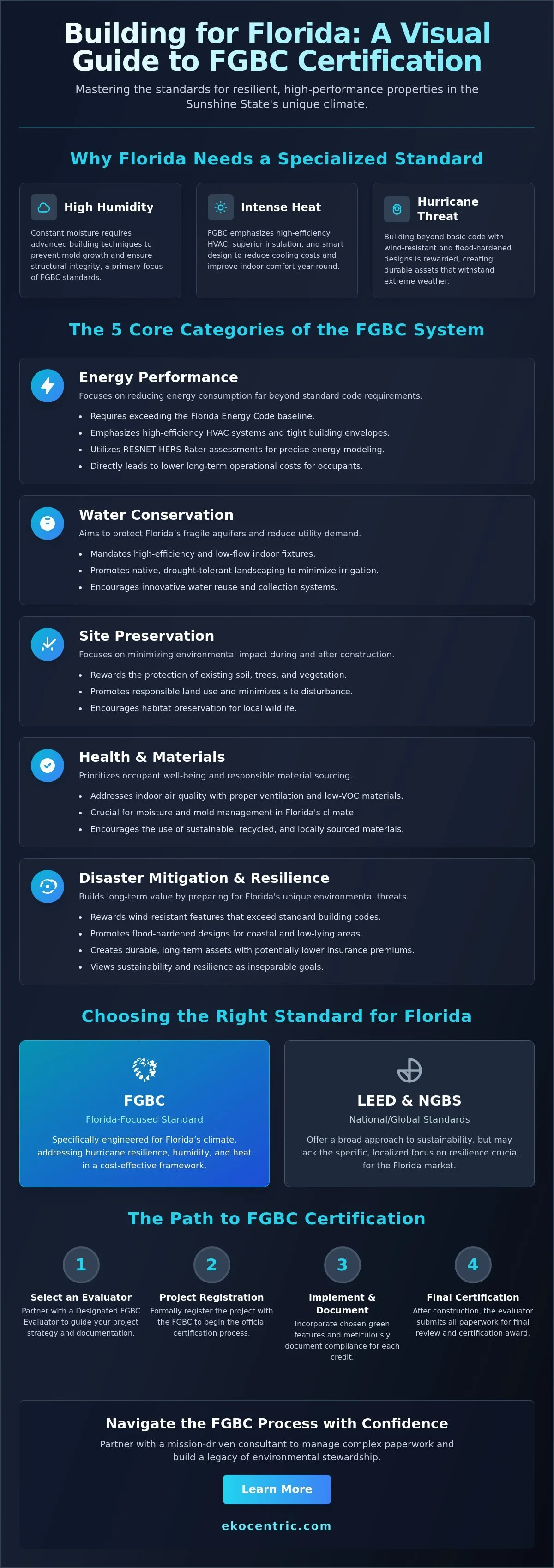
The FGBC standard rests on five critical areas of performance. Energy efficiency is paramount, often requiring buildings to significantly exceed the Florida Energy Code through advanced HVAC systems and precise RESNET HERS Rater assessments. Water conservation is equally vital, focusing on protecting Florida’s fragile aquifers and springs through low flow fixtures and native landscaping. Site preservation involves protecting existing soil and vegetation, while the health and materials pillar addresses indoor air quality. This is particularly crucial in our high humidity climate where mold and moisture management are constant concerns for project leads. Finally, using sustainable materials reduces the carbon footprint of the construction process itself.
Beyond "Green": Disaster Mitigation and Resilience
In Florida, sustainability is inseparable from resilience. FGBC certification rewards builders who implement wind resistant and flood hardened designs that go beyond standard code requirements. This isn't just about environmental stewardship; it's a pragmatic business strategy. Certified buildings often demonstrate superior durability during extreme weather events, which can lead to more favorable risk assessments and potentially lower insurance premiums. By prioritizing these resilient practices, you're not just building a house; you're securing a long term asset. Our FGBC certification consulting helps you navigate these technical requirements to ensure your project stands the test of time and provides a high quality living space for occupants.
The 5 Core Categories of the FGBC Rating System
The FGBC rating system operates as a flexible, point based framework that allows builders to customize their path to sustainability. This approach recognizes that a high rise in Miami faces different environmental pressures than a single family home in the Panhandle. When you are learning how to get FGBC certified, it's essential to understand that points are earned by implementing specific green features across several technical categories. Each credit is weighted based on its environmental impact and its ability to improve the building's long term performance. This structure ensures that every certified project contributes to a more resilient Florida while meeting the developer's specific operational goals.
Energy Performance and the HERS Index
The HERS Index is the industry standard for measuring a home’s energy efficiency. In the FGBC system, energy performance is a primary focus, requiring projects to exceed the baseline standards set by the Florida Energy Code. Builders must collaborate with a RESNET HERS Rater to establish an accurate baseline and identify high impact improvements. By optimizing HVAC systems and improving the building envelope, you aren't just earning certification points; you're significantly reducing the long term operational costs for the future occupants. This technical precision is what separates a high performing asset from a standard build.
Water conservation and site preservation are equally critical categories within the scoring system. Indoor fixtures must meet high efficiency standards to reduce consumption, but the real challenge often lies in outdoor irrigation. FGBC rewards the use of Florida Friendly Landscaping and smart irrigation controllers that protect our state's aquifers. During the horizontal development phase, minimizing soil disturbance and protecting native vegetation helps maintain the local ecosystem. These practices ensure the site remains resilient against erosion and heavy rainfall, which is vital for maintaining property value in our subtropical climate.
Indoor Environmental Quality (IEQ)
The Indoor Environmental Quality category focuses on the health and comfort of the people inside the building. In our climate, moisture management is the primary defense against mold and mildew, making advanced ventilation strategies a necessity. Using low VOC materials and sustainable products that withstand Florida's moisture levels is a core requirement for achieving higher certification tiers. For developers in the multi family market, providing a healthy building is a powerful differentiator that attracts health conscious tenants. Successfully implementing these standards is a key part of mastering how to get FGBC certified while delivering a superior, market ready product.
FGBC vs. LEED vs. NGBS: Choosing the Right Standard
Builders often face a choice between regional relevance and global prestige. LEED and NGBS offer high brand recognition across the United States, but these national programs sometimes struggle to account for the specific moisture and wind loads unique to our peninsula. When researching how to get FGBC certified, many developers find that the Florida Green Building Coalition standards align more closely with the materials and methods already required by the Florida Building Code. This alignment reduces the "green premium" often associated with national certifications while delivering a product that is objectively better suited for local conditions. It's a pragmatic choice for those who prioritize structural performance alongside environmental stewardship.
The cost benefit analysis frequently favors the local standard. National certifications often require specialized materials that are difficult to source or expensive to transport to Florida. In contrast, FGBC offers the flexibility to use regional materials that are naturally resistant to rot and decay in subtropical climates. This localized approach carries significant weight with Florida based lenders and buyers who are increasingly concerned about rising insurance premiums and long term durability. A building certified specifically for Florida's climate provides a level of reassurance that generic national standards simply cannot match.
When to Choose FGBC for Florida Projects
FGBC is particularly effective for single family and multi family residential builds where cost control and local marketability are paramount. Since the standards were developed by Florida experts, the requirements often mirror local best practices. Local governments are increasingly adopting policies to support these efforts; some municipalities now offer fast tracked permits or reduced fees for certified green buildings. If your primary goal is to build a high performing home that resonates with local buyers who understand Florida's unique insurance risks, the regional focus of FGBC is often the superior choice. It allows you to meet sustainability goals without fighting against the natural requirements of our environment.
Hybrid Certification Strategies
For large scale developments or projects seeking institutional investment, a hybrid approach can be highly beneficial. You can pursue LEED and FGBC simultaneously to capture both global prestige and regional resilience. This dual certification signals to investors that the property meets rigorous international environmental standards while being specifically hardened for the Florida market. Navigating the overlapping requirements of multiple systems requires a high level of technical oversight to avoid administrative redundancy. Our team at Ekocentric services provides the cross certification consulting needed to manage these complex goals efficiently. This strategic approach ensures your project achieves maximum market differentiation and remains a high quality living space for decades to come.
Step-by-Step: How to Get FGBC Certified in 2026
Achieving certification is a deliberate journey that requires early commitment and expert oversight. The process begins with Phase 1: Selecting an FGBC Designated Evaluator. This professional acts as your strategic partner, ensuring that every design choice aligns with the coalition’s rigorous standards. In Phase 2, you'll move into Pre-Design and Project Registration. Registering the project early is vital to lock in the current version of the standards and establish a clear roadmap for the entire team. This proactive approach prevents the administrative bottlenecks that often plague projects that wait until construction is underway to consider sustainability goals.
Phase 3 involves Construction Inspections and Performance Testing. Your evaluator will visit the site at critical intervals to verify that the green features specified in the plans are correctly installed. Once construction is complete, Phase 4 focuses on Documentation Submission and Final Review. All testing data and verification forms are compiled and sent to the FGBC for a third party audit. Finally, Phase 5 results in the Certification Award. This is the moment you can begin Marketing Your Asset, using the official seal to attract residents who value resilience and lower utility costs. Understanding how to get FGBC certified isn't just about following a checklist; it's about managing a technical workflow that adds measurable value to your property.
The Critical Pre-Design Consultation
Success starts long before the first shovel hits the ground. Many builders fail to realize that green goals must be integrated into the initial architectural drawings to be cost effective. During a pre-design consultation, we use energy modeling to predict how different building orientations and insulation types will perform. By setting a specific point-target goal early, you avoid the expensive retrofits that occur when builders try to "add green" to a finished design. This phase ensures that your project is engineered for environmental stewardship from day one. To ensure your project stays on track from the first drawing, consider our FGBC certification consulting services.
On-Site Verification and Performance Testing
The role of the Green Rater is most visible during the framing and final stages of construction. They perform essential diagnostic tests, such as blower door and duct leakage testing, to ensure the building envelope is tight and the HVAC system is operating at peak efficiency. These tests aren't just for compliance; they provide the data needed to finalize the HERS score for your submission. High performance testing confirms that the home will actually deliver the comfort and savings promised to the buyer. Mastering how to get FGBC certified requires this level of technical precision to ensure the finished building meets the coalition's high expectations for quality and resource efficiency.
Why Partner with a Professional FGBC Consultant?
Managing a construction project in Florida is an exercise in balancing technical precision with environmental reality. While the steps to achieve certification are clear, the administrative burden of tracking every credit and documenting every inspection can quickly overwhelm a busy development team. A professional consultant does more than just fill out forms; they act as a strategic partner who ensures your project goals translate into a certified, high performing asset. By outsourcing the certification paperwork, you allow your project leads to focus on their core competency: building durable, high quality structures. Understanding how to get FGBC certified is a significant competitive advantage, but executing that strategy requires a level of technical oversight that goes beyond standard general contracting.
Consultants bridge the critical gap between architects, builders, and the Florida Green Building Coalition. We ensure that the energy modeling performed by the HERS rater aligns with the architectural drawings and that the on site framing matches the sustainability requirements. This cohesive approach minimizes the risk of reaching the final inspection only to find that a missing document or a non compliant material has jeopardized your certification status. Our mission is to guide you through this complex process with professional authority and a genuine commitment to environmental stewardship.
Solving Internal Capacity Challenges
Most development firms lack the internal capacity to manage the specialized requirements of green building standards. The ROI of hiring a specialist becomes clear when you consider the cost of certification failure or the delays caused by improper documentation. We understand that your team is focused on timelines and budgets. We step in to manage the technical nuances, providing the expertise needed to navigate the Coalition's specific standards for Florida's climate. Partnering with Ekocentric ensures a seamless, expert led process that protects your investment and secures your credentials. We provide the pragmatic solutions your business needs to meet complex sustainability goals without straining your internal resources.
Your Blueprint for a Sustainable Florida Future
Building in the Sunshine State is a unique responsibility. Moving beyond basic code compliance to achieve true environmental leadership demonstrates a deep commitment to the longevity of our communities. By mastering how to get FGBC certified through a professional partnership, you are creating a legacy of resilient, resource efficient homes that are tailored to our subtropical environment. This isn't just about a plaque on a wall; it's about building properties that withstand hurricanes, manage humidity, and provide superior comfort for decades. We invite you to contact us for a project consultation to see how we can turn your vision of a sustainable Florida future into a tangible, high performing reality.
Securing Your Legacy in the Sunshine State
Mastering the technical requirements of the Florida Green Building Coalition standards is more than just a certification milestone; it's a strategic investment in the long term durability of our communities. By prioritizing regional resilience and resource efficiency, you're building properties that are specifically hardened against the unique environmental pressures of our state. We've explored the core rating categories and the vital importance of early design modeling, highlighting how these practices differentiate your projects in a competitive real estate market. Understanding how to get FGBC certified ensures that your buildings provide high quality living spaces while maintaining lower operational costs for decades to come.
Navigating this process requires a partner who combines technical precision with a deep commitment to environmental stewardship. Our team of expert LEED Green Raters and FGBC Designated Evaluators brings a pragmatic, mission driven approach to every project, helping you bridge the gap between complex building codes and successful certification. We possess the deep expertise in Florida specific climate resilience needed to help your project thrive. Partner with Ekocentric for your FGBC Certification Consulting to streamline your path to sustainability. Let's work together to build a more resilient and environmentally conscious future for Florida.
Frequently Asked Questions
How long does the FGBC certification process typically take?
The certification timeline usually mirrors your construction schedule, typically lasting between six and twelve months for residential projects. This duration includes the initial registration, mid-construction inspections, and the final administrative review by the Coalition. Planning your certification strategy during the pre-design phase is the most effective way to ensure the process doesn't delay your final certificate of occupancy.
Is FGBC certification only for new construction or can existing homes qualify?
Both new construction and existing buildings can qualify for certification through different standards. While the Home Standard is the most common for new builds, the FGBC also offers a Remodeling Standard specifically for existing residential properties. This allows owners of older Florida homes to improve their building's resilience and efficiency while earning recognition for their commitment to environmental stewardship.
What is the minimum HERS score required for FGBC certification?
There isn't a single mandatory HERS score, but your project must outperform the current Florida Energy Code baseline to earn necessary points. Most successful builders aim for a score significantly below 60 to secure enough credits for higher certification tiers. Working with an expert to understand how to get FGBC certified involves identifying the most cost-effective path to these specific energy milestones.
How much does it cost to get a home FGBC certified?
Total costs include registration fees paid to the Coalition, consulting fees for your evaluator, and the investment in green materials. These expenses are often offset by long-term operational savings and the increased market value of a certified high-performing asset. Because every project has unique requirements, we recommend a preliminary consultation to establish a realistic budget for your specific certification goals.
Can I get FGBC certified without a third-party evaluator?
No, you must partner with an FGBC Designated Evaluator to achieve official certification. These professionals provide the independent, third-party verification that the Coalition requires to maintain the integrity of the "Florida Green" brand. They act as a bridge between your construction team and the awarding body, ensuring all technical documentation and on-site testing meet the necessary standards.
What happens if my project fails an on-site performance test?
If a project fails a performance test like a blower door or duct leakage assessment, the builder must perform remediation. Once the leaks are sealed or mechanical issues are addressed, the evaluator performs a retest to confirm the building meets the required standards. This process ensures the finished home actually delivers the comfort and resource efficiency promised during the design phase.
Does FGBC certification expire or is it permanent for the building?
FGBC certification is permanent for the building under the specific version of the standard used during construction. It serves as a lasting record of the property's structural durability and resource efficiency at the time of completion. While the Coalition updates its standards periodically to reflect new technology, your specific certification remains a valid testament to the quality of the build.
Are there specific Florida counties that mandate FGBC standards?
While no Florida county currently mandates these standards for all private builds, many local governments require them for municipal projects or offer fast-track permitting. Additionally, the Florida Department of Economic Opportunity has approved these certifications as a requirement for rebuilding homes with disaster recovery funds. This makes understanding how to get FGBC certified essential for builders working in hurricane-impacted regions across the state.