Florida Green Building Coalition (FGBC) Standards 2026: A Complete Guide for Builders & Architects
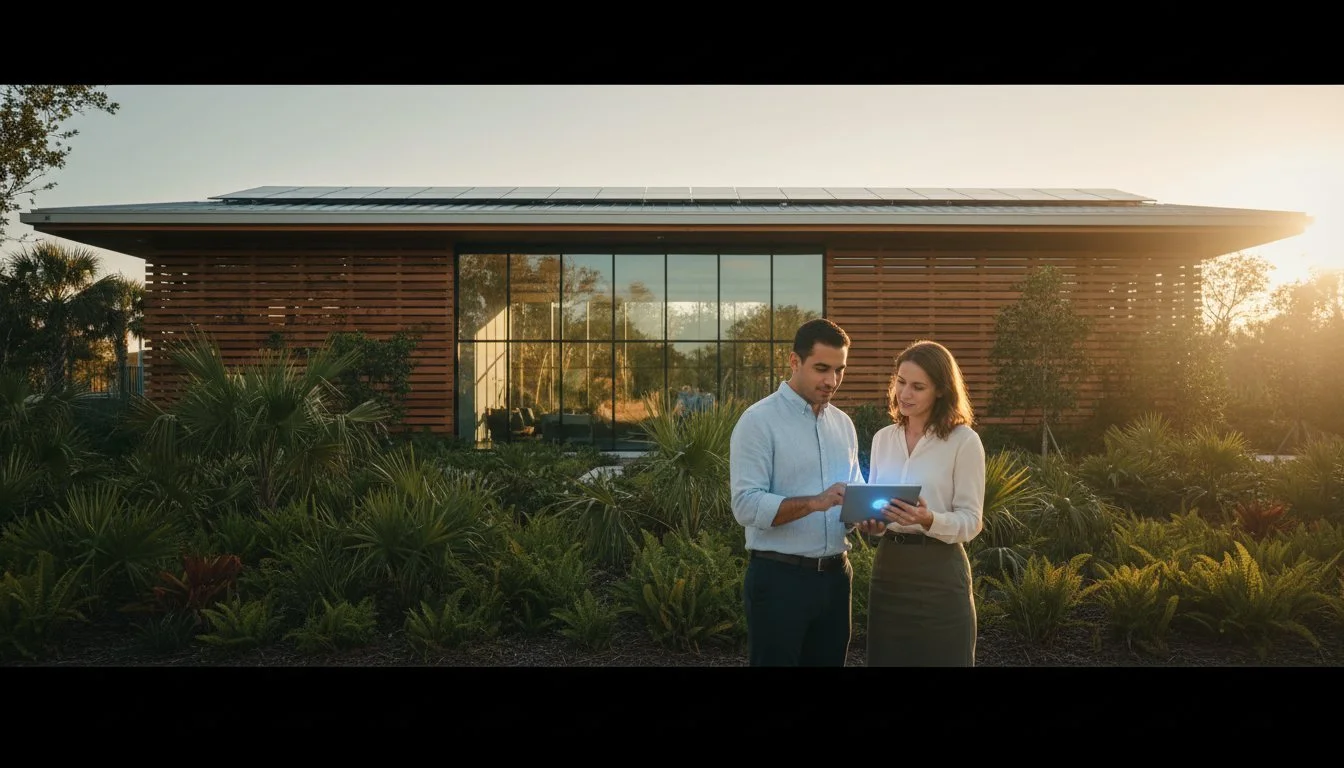
As Florida's building industry continues to champion resilience and sustainability, the horizon is already bringing new benchmarks for excellence. For many builders and architects, the thought of upcoming code changes can introduce uncertainty, raising concerns about project delays, costs, and the complexity of new requirements. The release of the Florida Green Building Coalition standards 2026 is a pivotal moment for our industry, and navigating this transition with confidence is crucial for future success.
We understand that your focus is on creating exceptional spaces, not deciphering dense regulatory text. That’s why we’ve built this definitive guide. Here, we provide a clear, actionable breakdown of the 2026 FGBC updates, explaining not just what is changing, but why. Our goal is to equip you with a practical checklist and the insights needed to ensure your projects are compliant, resilient, and successfully certified. Let's build a greener future for Florida, together.
Key Takeaways
Understand the key drivers behind the 2026 updates, specifically how they address Florida’s unique climate challenges to enhance building resilience.
Get a clear breakdown of the most significant thematic shifts in the Florida Green Building Coalition standards 2026 and their practical impact on your design and construction process.
Discover how the new requirements specifically apply to residential, commercial, and development projects, allowing you to tailor your certification strategy effectively.
Access a step-by-step roadmap to navigate the updated certification process, ensuring your projects meet the new benchmarks for a smooth and successful approval.
Understanding the Evolution: Why New FGBC Standards for 2026?
In Florida's dynamic construction landscape, the Florida Green Building Coalition (FGBC) stands as the state's leading certifier, championing building practices that are not only sustainable but also uniquely suited to our demanding subtropical climate. As we look ahead, the upcoming Florida Green Building Coalition standards 2026 mark a crucial and proactive evolution. This update isn't just a routine revision; it's a direct response to the pressing environmental and technological shifts shaping our state's future.
To better understand the FGBC's mission and impact, this overview from the organization is a great starting point:
What is the Florida Green Building Coalition (FGBC)?
The FGBC is a nonprofit organization with an unwavering dedication to making Florida a greener and more sustainable place to live. Its core mission is to provide certification programs that guide the construction of environmentally responsible structures. With standards for Single-Family Homes, Commercial Buildings, High-Rises, and Land Developments, the FGBC has created a comprehensive framework that adapts universal green building principles specifically for Florida's heat, humidity, and hurricane-prone environment.
The Driving Forces Behind the 2026 Updates
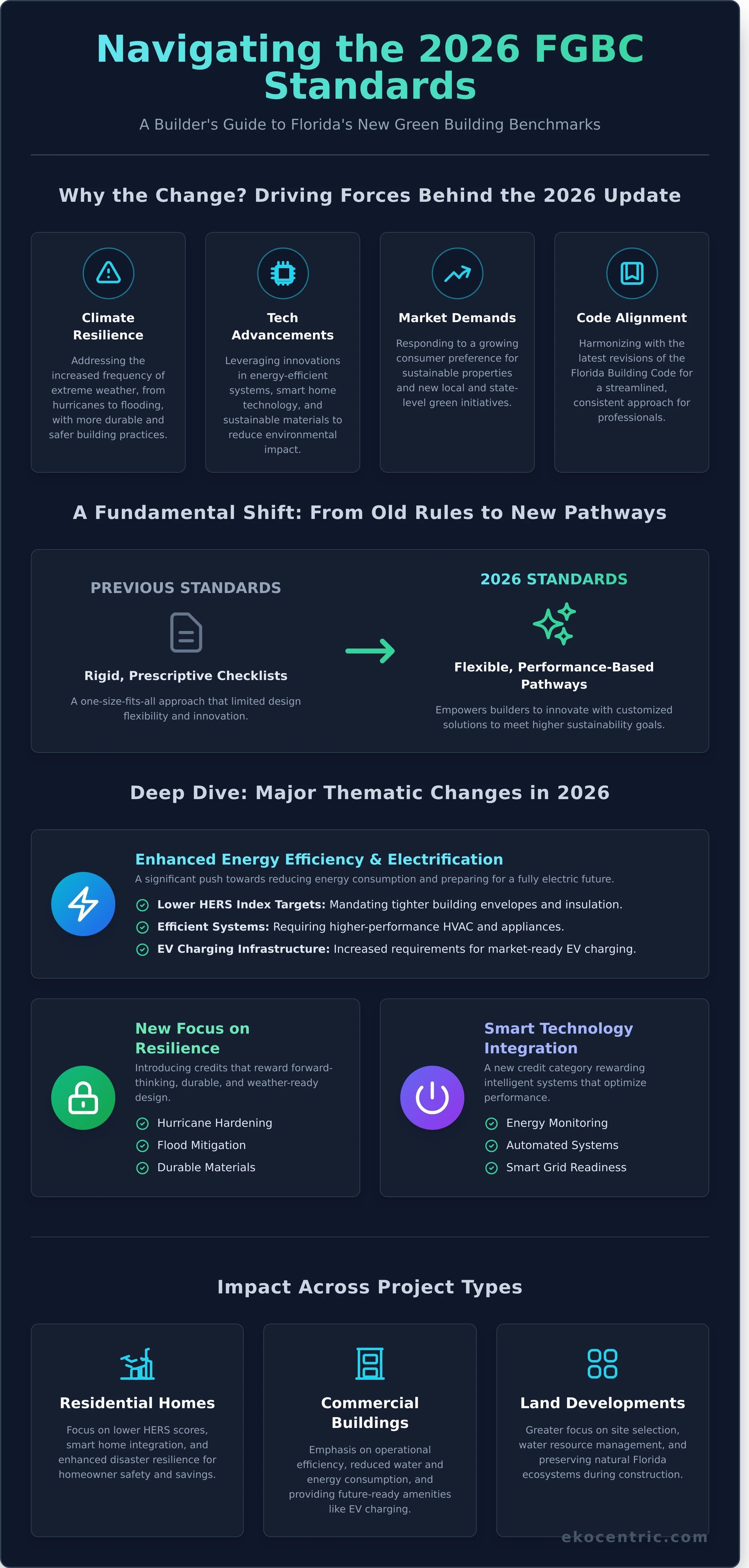
The need for updated standards is propelled by several key factors that directly impact Florida builders, developers, and residents. These drivers reflect a pragmatic approach to building a more resilient future:
Climate Resilience: An increased frequency of extreme weather events, from powerful hurricanes to significant flooding, necessitates building standards that prioritize durability and safety.
Technological Advancements: Rapid innovation in energy-efficient systems, smart home technology, and sustainable building materials offers new opportunities to reduce environmental impact and operational costs.
Market and Legislative Demands: A growing consumer preference for sustainable properties, coupled with new local and state-level initiatives, is pushing the market toward higher performance benchmarks.
Code Alignment: The new standards are designed to harmonize with the latest revisions of the Florida Building Code, ensuring a streamlined and consistent approach for professionals.
Key Differences from Previous Versions: A Snapshot
The Florida Green Building Coalition standards 2026 introduce a forward-thinking shift in philosophy and practice. Instead of simply updating old requirements, this new version reimagines the path to certification with a focus on tangible results:
A significant move from rigid, prescriptive checklists toward more flexible, performance-based pathways that empower builders to innovate.
The introduction of new credit categories focused on resilience and smart technology integration, rewarding forward-thinking design.
Elevated benchmarks for energy and water efficiency, reflecting the latest technologies and best practices for resource conservation.
Major Thematic Changes in the 2026 FGBC Standards
The upcoming Florida Green Building Coalition standards 2026 represent a pivotal evolution, moving beyond incremental updates to embrace a more holistic and forward-thinking approach to sustainable construction. These changes are strategically grouped around core pillars of sustainability, designed to address Florida’s unique environmental challenges head-on. For builders and developers, understanding these thematic shifts is crucial for planning projects that are not only compliant but also leaders in the market. The new framework aligns FGBC with the most progressive trends seen across various green building certification systems, solidifying its role in creating a more resilient and resource-efficient future for the state.
Enhanced Energy Efficiency & Electrification
A primary focus of the 2026 update is a significant reduction in energy consumption. Builders will face new, lower HERS Index targets for residential projects, demanding tighter building envelopes, higher-performance insulation, and more efficient HVAC systems. The standards also push for market-ready electrification by increasing requirements for EV charging infrastructure and offering strong incentives for all-electric homes, a clear move away from natural gas dependency.
Stricter Water Conservation & Management Mandates
Reflecting Florida's critical need for water stewardship, the new standards elevate water conservation from a recommendation to a mandate. Key changes include:
Adopting higher certification levels, such as Florida Water Star Gold, as a potential new baseline for compliance.
Introducing new credits for advanced systems like rainwater harvesting and greywater recycling.
Requiring high-efficiency irrigation technology and adherence to Florida-Friendly Landscaping principles to minimize outdoor water use.
A New Focus on Resilience and Durability
The Florida Green Building Coalition standards 2026 place an unprecedented emphasis on building for durability in the face of extreme weather. This is a direct response to the increasing frequency of high-wind and flood events. Builders will find specific credits for achieving FORTIFIED Home certifications, along with stricter requirements for impact-resistant windows, flood-resistant materials in vulnerable zones, and robust building envelopes engineered for hurricane resilience.
Innovations in Materials and Indoor Air Quality (IAQ)
Creating healthier living and working spaces is a cornerstone of the 2026 updates. The new standards encourage the use of locally sourced and low-embodied-carbon building materials to reduce a project’s overall environmental footprint. Inside the building, stricter limits on Volatile Organic Compounds (VOCs) in paints, adhesives, and flooring are mandated. This is paired with enhanced requirements for fresh air ventilation and high-capture filtration systems to ensure superior indoor air quality for occupants.
How the 2026 Standards Impact Different Project Types
The updated Florida Green Building Coalition standards 2026 are not a one-size-fits-all mandate. Instead, they introduce nuanced requirements tailored to specific project types, ensuring that every certification meaningfully contributes to a more resilient and sustainable Florida. Understanding these targeted changes is the first step toward successful compliance and project excellence. The complete, detailed standards are always available for review on the Florida Green Building Coalition official website, but here we break down the most critical updates for your specific needs.
For Single-Family & Multi-Family Homes ('FGBC Green Home Standard')
Residential builders face a significant evolution in performance expectations. The new standards demand a more stringent HERS score, making precise energy modeling and high-performance envelopes essential from the design phase. A groundbreaking ‘Resilience’ category now requires proactive measures against Florida's unique climate risks, such as enhanced hurricane protection and flood mitigation. Furthermore, stricter Indoor Air Quality (IAQ) requirements will guide material selection toward low-VOC products and advanced ventilation systems to create healthier living spaces for occupants.
For Commercial & High-Rise Buildings ('FGBC Green Commercial Building')
For commercial projects, the Florida Green Building Coalition standards 2026 place a heavy emphasis on verifiable performance. This includes more rigorous energy efficiency targets and new requirements for ongoing energy benchmarking. Water efficiency standards are also elevated, encouraging the use of sub-metering, high-efficiency fixtures, and innovative water reclamation systems in larger facilities. Credits for sustainable site management have been refined, rewarding projects that prioritize native landscaping, effective stormwater management, and heat island reduction strategies.
For Land Development and Local Governments
The 'FGBC Green Land Development Standard' has been updated to better align with statewide environmental priorities. The new criteria place a greater emphasis on meaningful open space preservation and the restoration of natural habitats to support biodiversity. For local governments, adopting these standards provides a clear and effective framework for promoting sustainable growth that directly supports Florida's broader resilience goals, addressing challenges like sea-level rise and water resource protection. Navigating these updates requires dedicated expertise, and the team at Ekocentric is ready to ensure your project achieves certification seamlessly.
A Practical Roadmap for 2026 FGBC Certification Success
Understanding the updates to the Florida Green Building Coalition standards is the first step; successfully implementing them is what sets a project apart. Moving from theory to practice requires a strategic, proactive approach. This roadmap provides a clear, three-step framework to help builders, developers, and architects navigate the 2026 changes with confidence and achieve certification efficiently.
Step 1: Early-Stage Project Planning & Goal Setting
Success with the Florida Green Building Coalition standards 2026 begins long before breaking ground. Integrating the new requirements into your earliest planning phases is critical for a smooth and cost-effective process. A proactive strategy prevents last-minute changes and value engineering that can compromise your green building goals.
Update Pre-Design Checklists: Systematically review and update your project checklists to include all new prerequisites and potential credits.
Conduct Feasibility Analysis: Evaluate the ROI and practical application of new, high-impact credits, such as those for resilience, water conservation, and mandatory EV charging infrastructure.
Engage a Certifier Early: Involve an FGBC Certifying Agent during the conceptual phase. This expert guidance helps align your project’s vision with the most effective certification path from day one.
Step 2: Design, Documentation, and Verification
As your project moves into the design phase, meticulous documentation and integrated teamwork become paramount. The 2026 standards place a greater emphasis on verifiable performance, which demands a more rigorous approach to tracking and reporting.
Work closely with architects and engineers to integrate updated energy and water modeling into the design. Establish a robust system for tracking sustainable materials, from sourcing to installation, and ensure all Indoor Air Quality (IAQ) compliance is thoroughly documented. Be prepared for more stringent on-site inspections and performance testing, as certifiers will need to verify that as-built conditions match the design intent.
Step 3: Partnering with an Expert Certifying Agent
Navigating these updates can be complex, and mistakes can lead to costly delays or even failed certification. A dedicated FGBC Certifying Agent and consultant acts as your project’s advocate, ensuring every detail is managed correctly. An expert partner saves your team valuable time by streamlining documentation, coordinating with project stakeholders, and identifying potential issues before they become problems.
Many developers and builders do not have the bandwidth to manage the sustainability side of a project in-house. If you're looking for a pragmatic partner to guide you, explore our FGBC certification consulting services. Our team at Ekocentric is passionately dedicated to managing the entire process, ensuring your project not only meets but exceeds the 2026 standards for a healthier, more resilient Florida.
Embrace the 2026 FGBC Standards with Confidence
The upcoming Florida Green Building Coalition standards 2026 represent a pivotal shift towards more resilient, healthy, and sustainable construction across the state. As we've covered, these changes are not just minor updates but a comprehensive evolution emphasizing climate resilience, decarbonization, and occupant well-being. For builders and architects, the key takeaway is clear: proactive planning and early integration of these new principles are essential for a smooth transition and successful certification.
Navigating this new framework doesn't have to be a challenge. At Ekocentric, our unwavering dedication is to your project's success. With certified FGBC Certifying Agents on staff and deep expertise in Florida-specific green building codes, we serve as your pragmatic partner, ensuring you meet and exceed these new benchmarks efficiently. We understand the bandwidth limitations builders and architects face, and we're here to provide that critical layer of management and expertise.
Prepare your projects for 2026. Partner with Florida's leading FGBC experts at Ekocentric. Let's build a more sustainable future for Florida, together.
Frequently Asked Questions About the FGBC 2026 Standards
Are the FGBC 2026 standards mandatory for all new construction in Florida?
No, FGBC certification remains a voluntary, above-code green building program. It is not a mandatory state requirement for all new construction. However, many Florida municipalities and forward-thinking developers require or incentivize FGBC certification to ensure higher levels of resilience and sustainability. Adopting these standards proactively positions your projects as high-performance homes that meet growing consumer demand for energy efficiency and healthier living environments, giving you a distinct market advantage.
How do the new FGBC standards compare to the latest LEED v5 requirements?
While both are premier green building programs, the Florida Green Building Coalition standards 2026 are specifically tailored to Florida’s unique climate and environmental challenges, such as humidity, hurricane resilience, and local water conservation. LEED v5 offers a globally recognized framework with a broader scope. For Florida-based residential projects, FGBC is often considered a more direct, accessible, and cost-effective path to achieving and marketing a high-performance, sustainable home.
What is the expected cost increase for a home built to the 2026 FGBC standards?
The cost premium for building to FGBC standards is often less than builders anticipate, typically ranging from just 1-3% of total construction costs. This modest initial investment delivers significant long-term value through reduced utility bills and lower maintenance for the homeowner. Moreover, certified green homes frequently command a higher resale value and attract a dedicated market of buyers, ensuring a strong return on investment for your company's commitment to quality and sustainability.
When do the 2026 FGBC standards officially take effect?
The FGBC 2026 standards are scheduled to be finalized and released for implementation in early 2026. While that is the official launch, leading builders are not waiting to prepare. Early adoption provides a crucial opportunity to adapt your processes, educate your team, and source materials without pressure. This foresight allows you to master the new requirements and establish your firm as a leader in sustainable building before the standards become the industry benchmark.
Can an existing home be renovated to meet the new 2026 FGBC certification standards?
Yes, absolutely. The FGBC offers a dedicated certification standard specifically for renovations and existing homes. This allows you to transform an older property by integrating modern principles of energy efficiency, water conservation, and improved indoor air quality. Certifying a renovation project not only elevates the home's performance and reduces its environmental impact but also significantly boosts its market value and appeal to health-conscious and eco-aware buyers.
What's the first step my company should take to prepare for these changes?
The most pragmatic first step is a strategic review and gap analysis. Begin by educating your team on the key updates and assessing how they will impact your current designs, material procurement, and subcontractor scopes. We understand that many builders lack the internal bandwidth to manage this effectively. Partnering with an expert green building consultant can provide the focused guidance needed to create a clear, actionable roadmap for a seamless and successful transition.