LEED v4 vs. LEED v5: Key Changes & Requirements
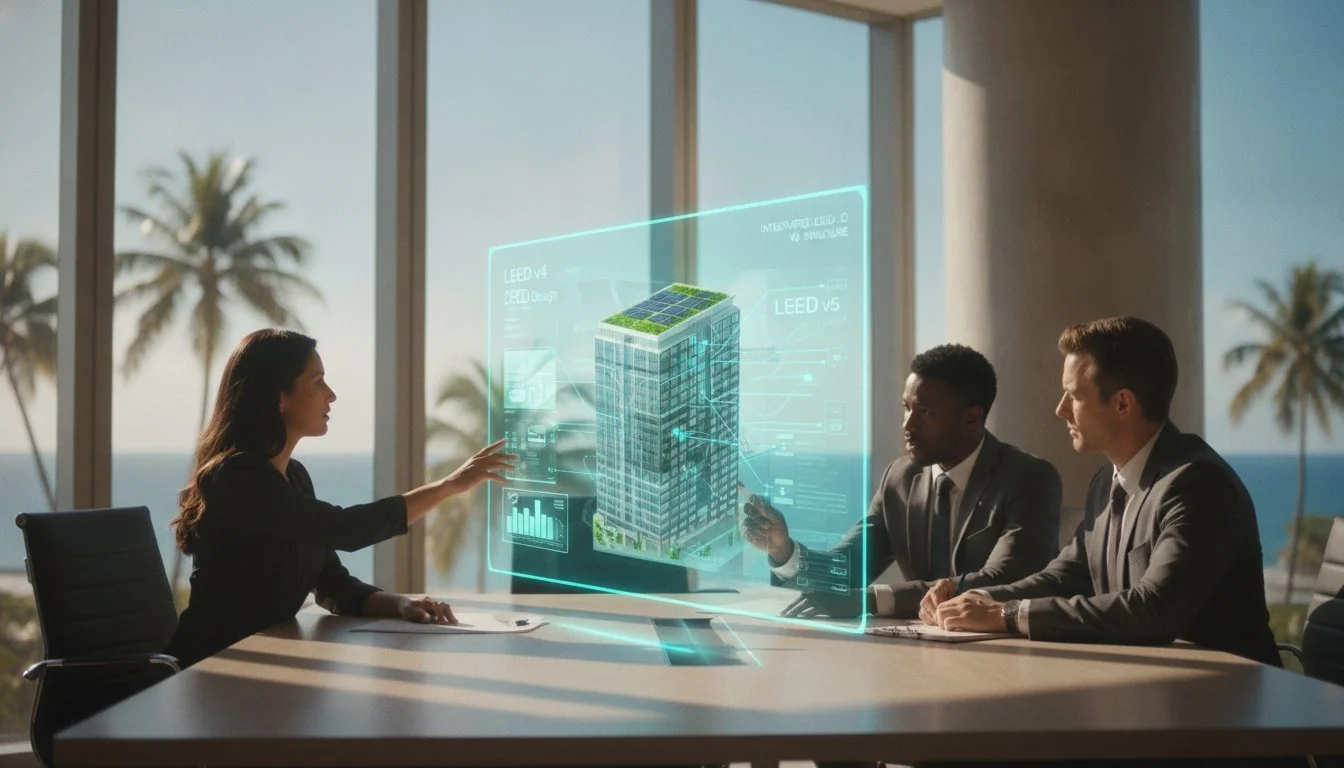
Mastering the LEED version 4 vs LEED version 5 differences and changes requires a close look at the aggressive timeline. Registration for v5 launched on April 28, 2025. This means the window for registering under the older v4 or v4.1 standards is closing fast. The official sunset date for new v4 registrations is June 30, 2026. After this point, the industry moves into a performance-first era that demands more rigorous data and strategy from the outset.
Green Building in 2026: The Complete Guide for Developers and Builders
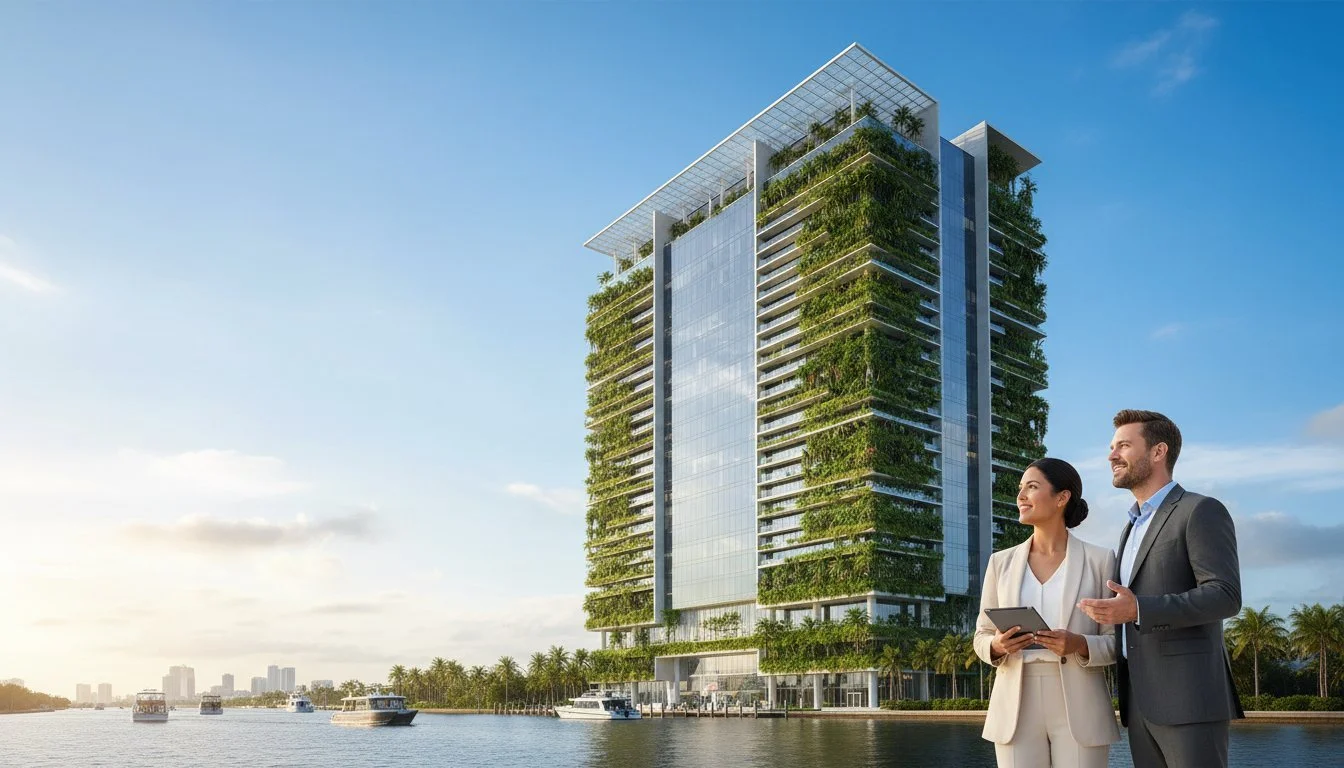
This guide will help you master the latest standards and business strategies needed to build high-performance properties. We'll provide a clear path to LEED and FGBC certification, show you how to lower operational costs by 10.5% in the first year, and outline how to capture the 7 to 10% value premium that certified properties now command. By the end of this article, you'll have the tools to transform Green Building requirements into a competitive advantage that leads the market.
Best Construction Waste Recycling Options for LEED Credits
Strategic recycling does more than protect the planet; it directly stabilizes your project’s financial health. Every ton of material diverted from a landfill represents a direct saving on tipping fees. With global construction waste projected to reach 2.2 billion tons by 2025, resource efficiency is the most pragmatic path toward creating high-quality, sustainable spaces. It's about seeing the value in what others throw away and capturing that value before it leaves the site.
Top NGBS Innovations for Better Green Building Results
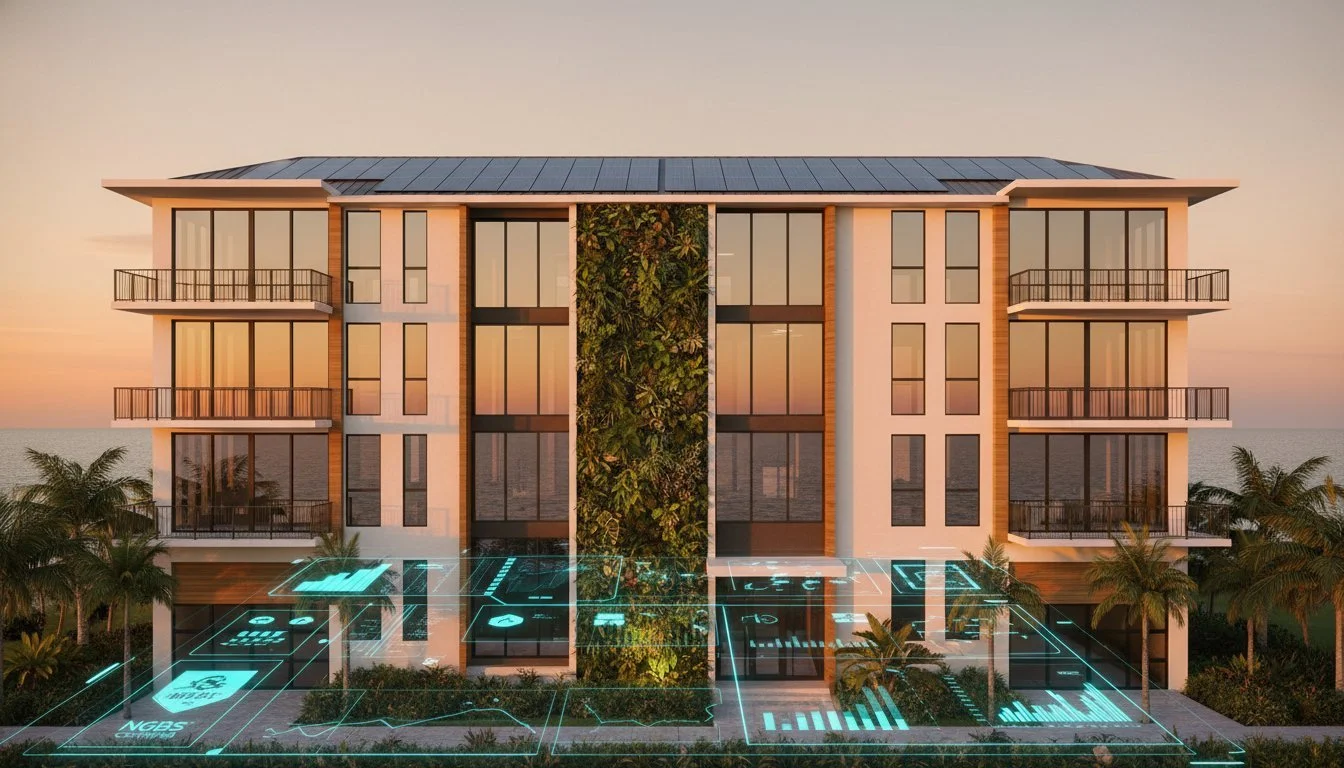
The National Green Building Standard (NGBS) reached a major milestone on April 21, 2026. This fifth edition, known as the ICC 700-2025, represents a fundamental shift in how we define sustainable residential construction. It isn't just about reducing energy consumption anymore. It's about creating assets that are demonstrably resilient and healthy for their occupants. This update was approved by the American National Standards Institute (ANSI), confirming its status as the premier consensus-based standard for the residential sector.
Choosing a RESNET HERS Rater for Production Builders: A 2026 Buying Guide
Did you know that 34% of all new single-family homes built in the U.S. last year were HERS-rated? For the top 200 builders, that number is even higher, as 145 of these industry leaders now choose ratings to drive value and ensure quality. Finding the right RESNET HERS rater for production builders is no longer just about meeting a code requirement. It's about securing an operational partner who understands your volume and respects your construction timeline.
Building Sustainability: Why Certified Construction Matters
Hurricane Preparedness Checklist for Resilient Homes
Did you know that as of April 1, 2026, every new wind mitigation inspection in Florida must utilize the overhauled OIR-B1-1802 form to qualify for mandatory insurance discounts? This regulatory shift makes understanding FGBC wind mitigation credits more than just a sustainability goal; it's a financial necessity for developers facing the strictest verification standards in over a decade. Because Florida Statute §627.0629 legally mandates these discounts, insurance companies will begin applying credits based on this new form in July 2026, leaving little room for documentation errors.
HERS Rating Cost in Florida: 2026 Builder’s Budgeting Guide
In the high-stakes Florida construction market, the Home Energy Rating System (HERS) serves as the definitive barometer for a building's efficiency. It's more than just a score; it's a comprehensive technical audit that benchmarks a property against a standardized reference home. A score of 100 represents a home built to the 2006 International Energy Conservation Code standards. Today's Florida new builds typically aim for much lower scores to demonstrate superior performance. Understanding your HERS rating cost in Florida is the first step toward building homes that aren't just code-compliant but truly resilient.
LEED BD+C Prerequisites Checklist: The Definitive Guide for 2026
Achieving certification through Leadership in Energy and Environmental Design (LEED) requires more than just picking high-scoring features. Every successful project starts with a LEED BD+C prerequisites checklist. These are the mandatory elements that every building must satisfy to even be considered for certification. They earn zero points toward your final score, but they're the foundation of your entire sustainability strategy. Failing to meet just one of these requirements stops your certification process immediately.
What is a LEED Green Rater? The Essential Role in Residential Certification
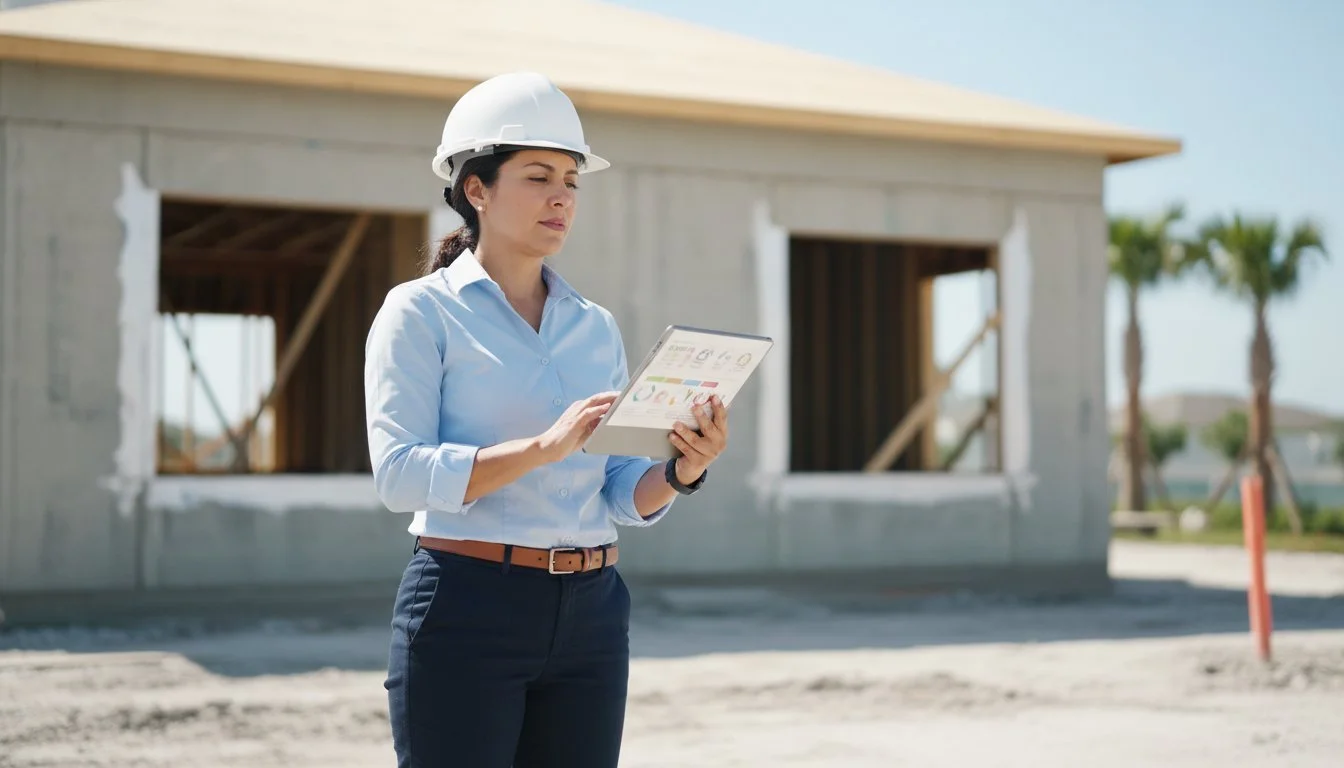
A LEED Green Rater is a highly specialized professional responsible for the on-site verification of residential projects pursuing certification. While many commercial certifications rely heavily on design documentation, residential projects require a physical presence to verify that green building strategies are actually implemented. This individual acts as the technical eyes and ears of the Green Business Certification Inc. (GBCI). By providing independent verification, they ensure that every home meets the rigorous standards of Leadership in Energy and Environmental Design (LEED). When you ask what is a LEED Green Rater, you're looking for the person who ensures your project's sustainable promises become a physical reality.
The Real Benefits of ENERGY STAR Certified Homes: A 2026 Guide for Builders and Owners
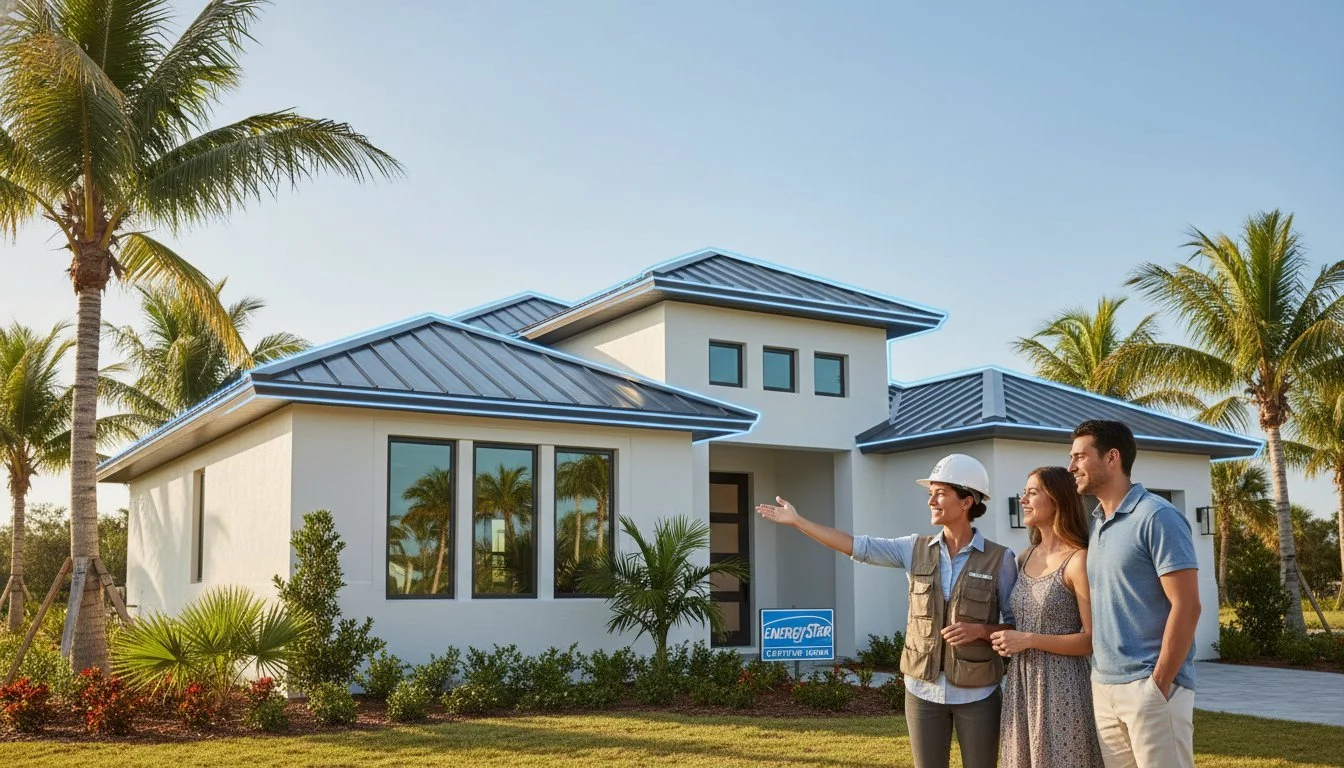
Homeowners see a direct, positive impact on their monthly bank statements. The benefits of ENERGY STAR certified homes start with a documented 10% to 30% reduction in monthly energy costs compared to standard code-built houses. This efficiency isn't just about saving money; it's about system longevity. When a building's systems are designed to work together, components don't have to work as hard to maintain a steady temperature. This leads to a significant reduction in wear and tear over the home's lifecycle.
FGBC Commercial Building Standards: A Developer’s Guide to Florida Green Certification
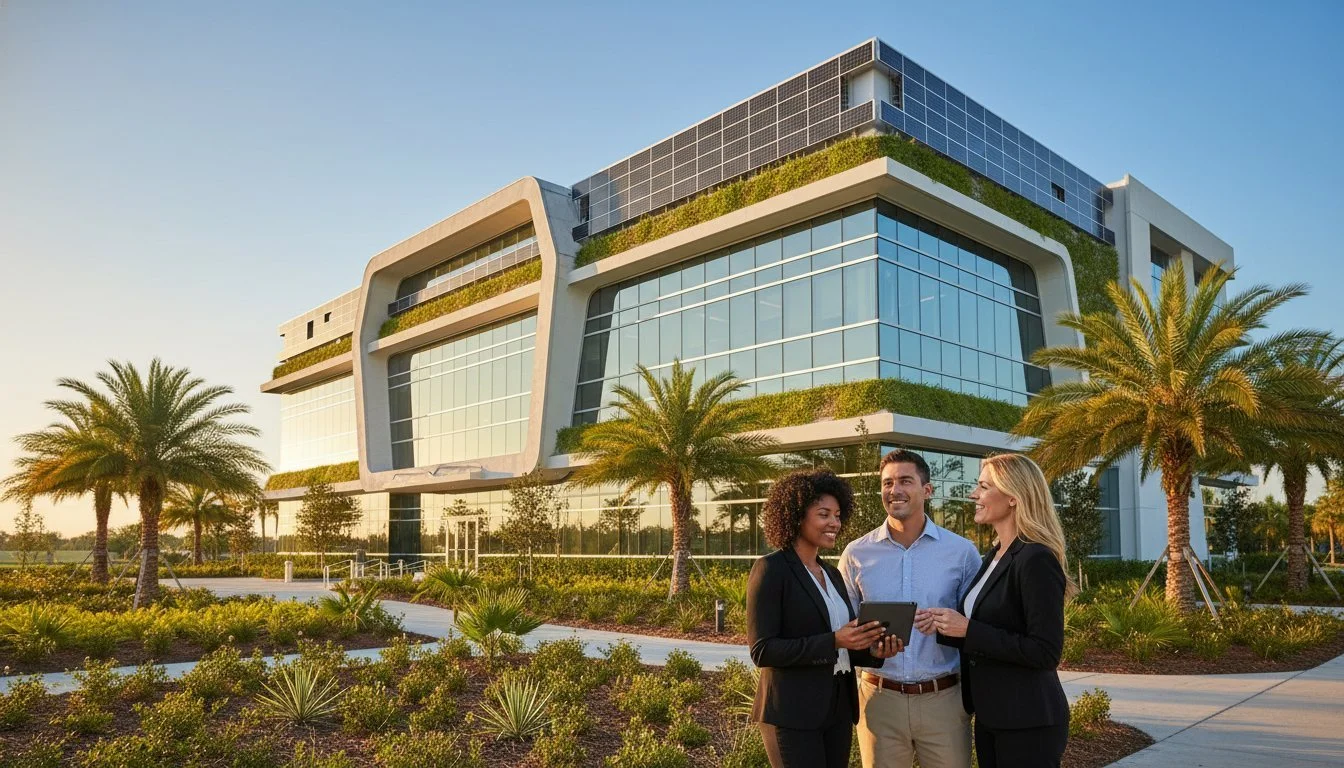
The Florida Green Building Coalition (FGBC) is a non-profit organization that's dedicated to creating a healthier, more resilient future for the Sunshine State. Unlike national programs that apply broad rules to diverse climates, FGBC commercial building standards focus specifically on the unique environmental stressors found in Florida. This includes our intense solar heat, high humidity, and the seasonal threat of hurricanes. While these standards are voluntary, they've become a preferred framework for developers because many local governments, such as Pinellas County and the City of St. Petersburg, offer incentives or fast-track permitting for certified projects.
Strategic Water Reduction: A Builder’s Guide to Efficiency and Certification
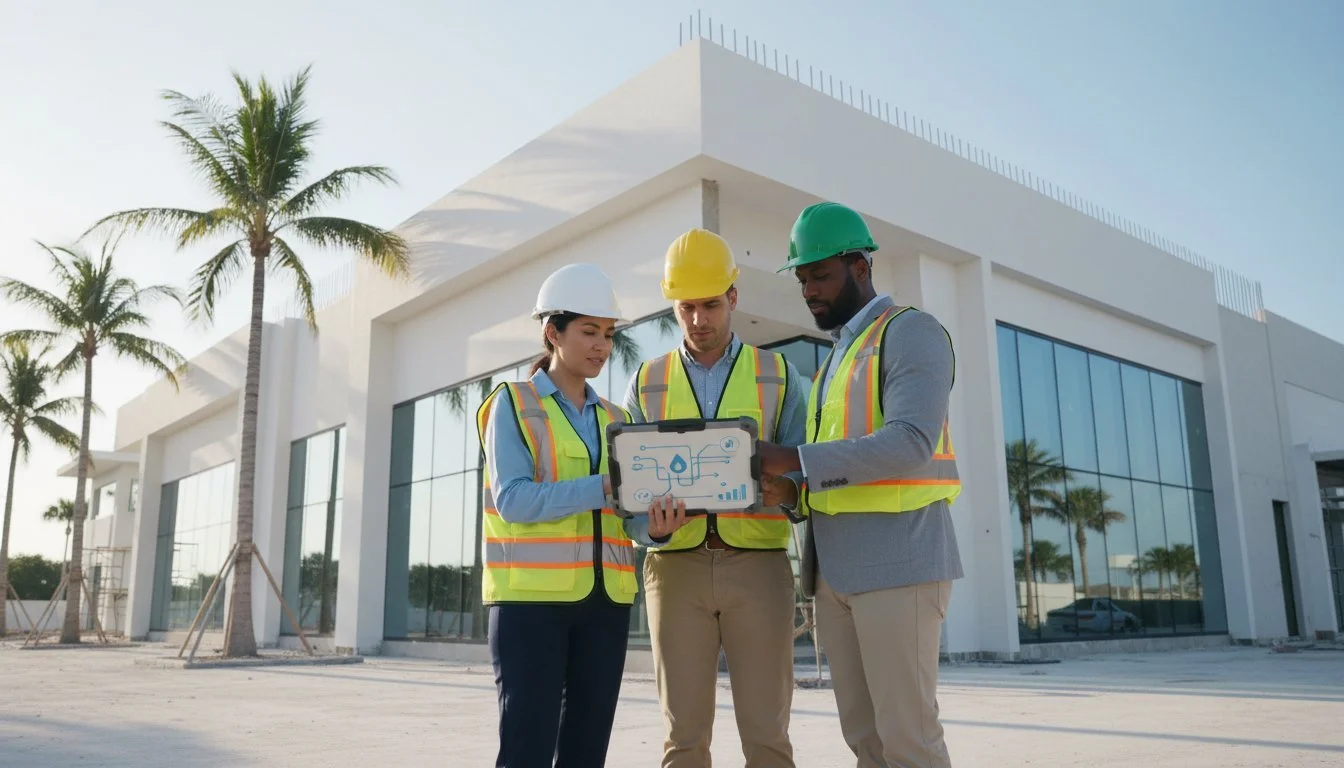
In 2026, we've moved past the era of voluntary conservation. With the Florida Department of Environmental Protection (FDEP) rolling out stricter well and stormwater regulations as of March 15, 2026, and LEED v5 prioritizing performance-based data since May 2025, efficiency is now a core requirement for project viability. This regulatory pressure ensures that projects aren't just built to look green but are verified to perform efficiently over their entire lifecycle.
FGBC Land Development Certification: The Developer’s Guide to Sustainable Florida Projects
The FGBC land development certification serves as the primary sustainability framework designed specifically for the unique environmental and regulatory landscape of Florida. While many developers are familiar with building-specific ratings, this standard focuses on the "horizontal" phase of a project. It evaluates how a site is planned, cleared, and outfitted with infrastructure. The Florida Green Building Coalition (FGBC) created this program to ensure that Green building practices start at the soil level, protecting the state’s natural resources from the very beginning of the construction cycle.
The 2025 National Green Building Standard: A Guide to the ICC 700 Updates
The ICC 700-2025 represents the fifth and most sophisticated evolution of the National Green Building Standard (NGBS). This update serves as a rigorous framework for sustainable residential construction, designed to meet the rising expectations of the 2026 housing market. Since its inception in 2008, the standard has provided a roadmap for builders who want to create healthier, more resilient homes that stand the test of time. The 2025 edition is particularly vital because it bridges the gap between current building practices and the high-performance requirements of the near future.
One of the most critical aspects of this standard is the ANSI-approved consensus process used for its development. A diverse committee of architects, developers, government officials, and environmental experts collaborates to ensure the criteria are both ambitious and achievable. This transparent process gives the National Green Building 2025 standard immense credibility with local jurisdictions and financial institutions. The standard applies to a broad range of residential work, including single-family homes, multifamily buildings, and even large-scale land development projects. This versatility allows developers to maintain a consistent sustainability strategy across their entire portfolio.
FGBC Certification Consultant for Custom Homes: The 2026 Builder’s Guide
Troubleshooting Your HERS Index Score: A Developer’s Guide to Lowering Energy Ratings
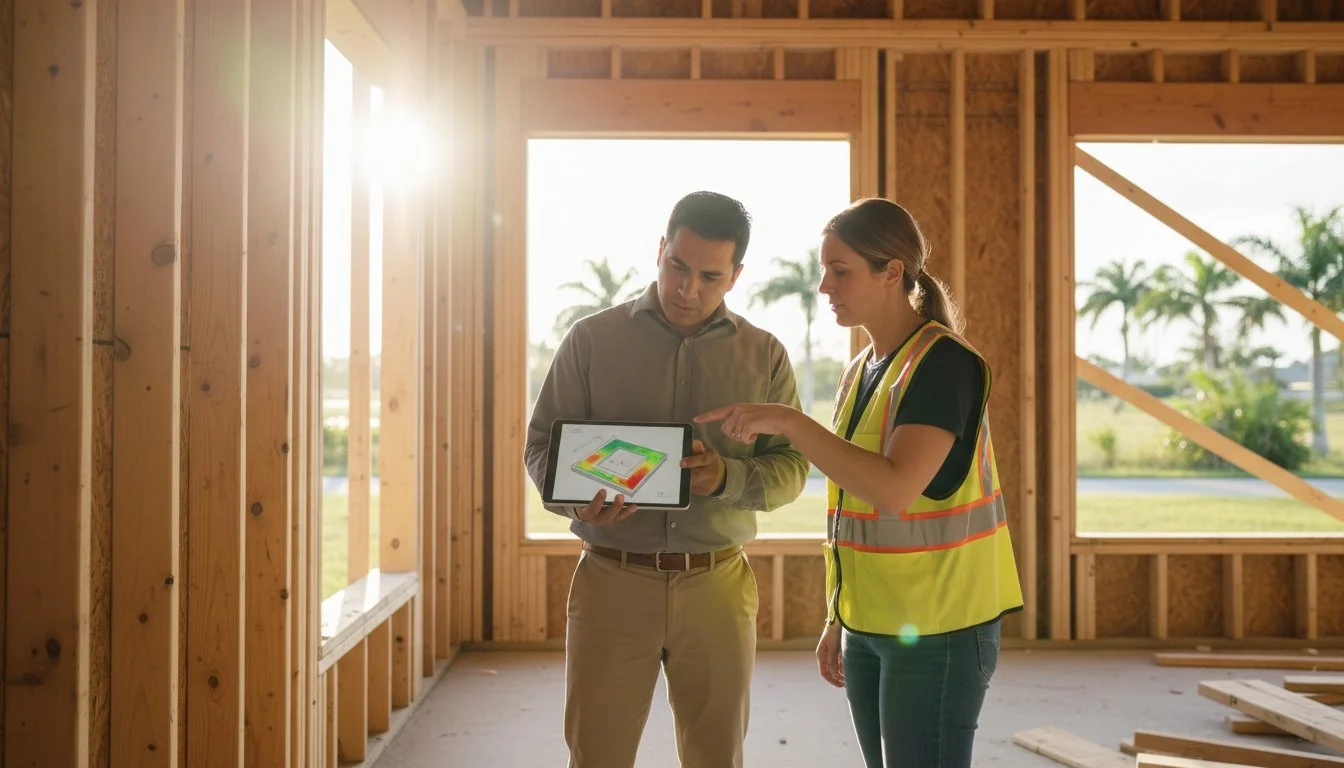
The Home Energy Rating System (HERS) serves as the definitive yardstick for residential energy performance. Unlike most metrics where high numbers indicate success, the HERS Index operates like a golf score; the lower your number, the better the home performs. A score of 100 represents the HERS Reference Home, which is based on the 2006 International Energy Conservation Code (IECC). If your project returns a score of 70, it is 30% more efficient than that 2006 baseline. When a developer is troubleshooting a low HERS rating, they are usually investigating why their "as-built" reality is falling short of the "as-designed" energy model.
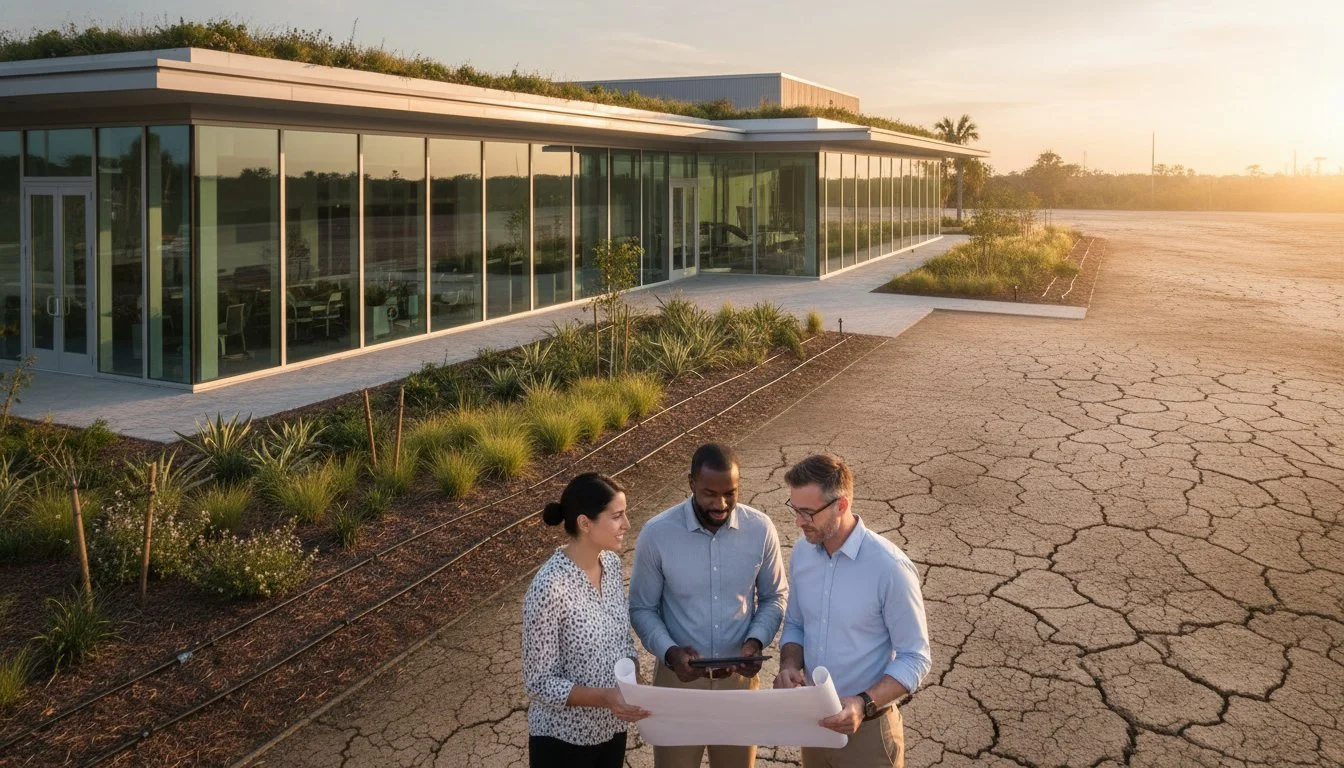
Florida Drought 2026: A Developer’s Guide to Water-Resilient Building
Florida's water reality has fundamentally shifted. By January 2026, the traditional cycle of brief winter dry spells has evolved into a persistent, multi-year crisis that challenges every aspect of new construction. The U.S. Drought Monitor now frequently shows South and Central Florida trapped in D3 (Extreme) and D4 (Exceptional) intensity levels. These aren't just seasonal fluctuations; they're the new baseline for a state that's added over 300,000 new residents annually for the last five years, placing unprecedented strain on the Floridan Aquifer.

Reducing Construction Costs with Green Design: A 2026 Strategy for Developers
The "Green Premium" was once a valid concern for developers, often cited as a 5% to 12% increase in initial capital expenditure. By 2026, this concept has become a legacy myth. The construction industry no longer views sustainability as a luxury add-on or a checkbox for marketing. Instead, Green building principles have integrated into the standard delivery model. This shift happened because the industry reached a tipping point where the cost of high-performance components equalized with traditional materials. Developers are finding that reducing construction costs with green design isn't just possible; it's the most logical path forward.

The Strategic Role of an NGBS Verifier: A Guide for Developers in 2026
An NGBS Verifier is an accredited, independent professional who serves as the primary point of contact between a construction project and Home Innovation Research Labs. This role is built on a foundation of technical mastery and objectivity. Unlike other programs where a developer might submit their own data, the National Green Building Standard requires a third party to validate every credit claimed. This ensures that the certification remains a trusted benchmark for high-performance homes. Since its inception, the standard has evolved to meet modern challenges, and the verifier is the person responsible for ensuring those standards are met on every job site through rigorous, documented evidence.